
How To Prepare Your Home For Cooler Weather
For Washington, DC-area homeowners, fall maintenance comes down to three goals: keeping water out, keeping heat in, and making sure key systems run safely. Taking care of essential maintenance items now will leave your house warm, well protected, and less costly to heat. The 15 tips below start outside and work their way in, covering everything from the roof to the carpets.
If that sounds like a lot, a trusted home maintenance company can handle the inspections and repairs for you. Whether you do the work yourself or hire professionals, regular maintenance helps you avoid surprises and preserves the long-term value of your property.
Priority Tasks At A Glance
- Paint or stain exterior wood while temperatures stay above 50°F (Tips 3 and 5)
- Aerate and overseed the lawn by mid-October (Tip 7)
- Shut off and drain outdoor water lines before the first hard freeze (Tip 6)
- Clear gutters once most leaves have fallen (Tip 2)
- Book HVAC and chimney service before contractors’ calendars fill up (Tips 10 and 11)
- Test smoke and carbon monoxide alarms (Tip 14)
1. Inspect And Repair The Roof
Start at the top of your home. Scan the roof for missing, loose, or cracked shingles. If you have slate, cedar, or metal roofing, watch for slipped slates, split shakes, or lifted panels and fasteners. Look carefully at the flashing around chimneys, vents, and skylights, where leaks most often start. Binoculars let you do much of this from the ground; leave anything that requires climbing to a roofing contractor.
A quick trip to the attic can reveal what isn't visible from outside. Water stains, damp insulation, or daylight shining through the roof boards point to trouble spots. Addressing them promptly keeps moisture away from your ceilings and walls.
Back outside, note any tree limbs that hang over the roof or touch the house. Overhanging branches shade the roof and encourage moss, give squirrels an easy path inside, and can break off in strong storms. Trimming them back also reduces the debris that collects in your gutters. For this work, hire a licensed and insured tree care professional.
Our Complete Guide To Roofing Materials For Your Home

2. Clear The Gutters
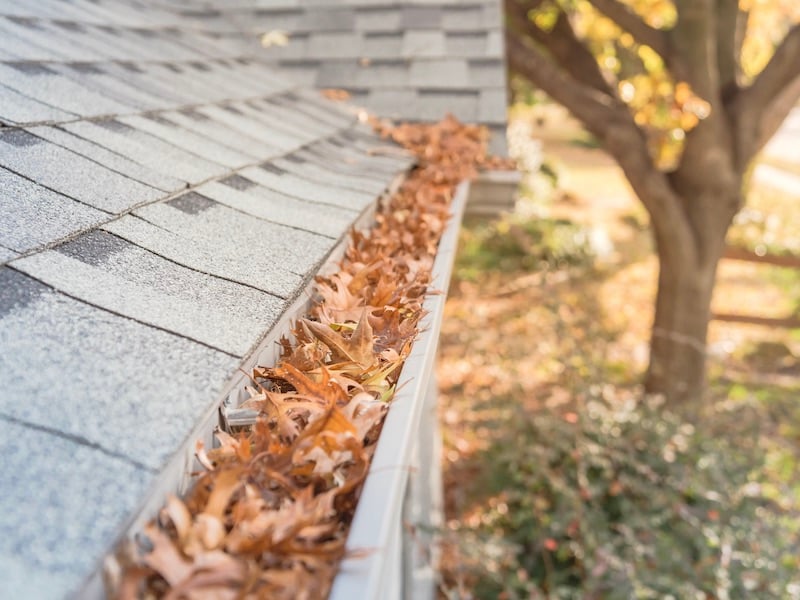
Once most of the leaves are down, scoop out the gutters and run water through the downspouts to make sure it flows freely. In the DC area, many trees hold their foliage well into November, so a second round may be needed. As you work, confirm that joints and brackets are secure, that each run slopes evenly toward its downspout, and that every downspout carries water several feet from the foundation. A buildup of shingle granules can be an early sign of roof wear, so mention any you find to your roofer.
When everything drains properly, overflow can't seep behind siding or into your basement. If this becomes a frequent chore, gutter guards can reduce how often it's needed. For two-story homes or steep rooflines, consider hiring a gutter service rather than doing the work yourself.
3. Seal And Refresh Siding And Trim
Look closely at the caulk around your home for cracks, shrinking, or gaps, especially where siding meets window and door trim and where pipes, vents, or wires pass through the walls. Remove the old material and apply a fresh bead of exterior-grade sealant. This small task blocks drafts, stops water intrusion, and keeps insects and rodents out as the weather cools.
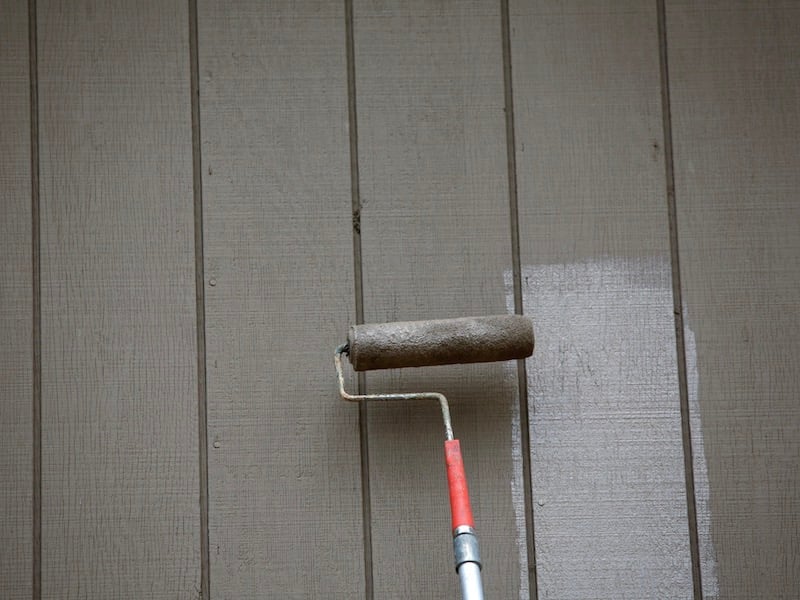
Peeling paint or fading stain signals that wood siding, cedar shingles, or trim are losing their protection. Press a screwdriver into any soft-looking spots, particularly along sills and the bottoms of trim boards, where rot tends to start. Replace damaged wood, wash away dirt and mildew, and then apply a fresh coat of paint or stain to shield the surface and improve curb appeal. Aim to paint in early fall, since most exterior paints and stains need temperatures of at least 50°F, both during application and overnight, to cure properly. The product label will note if a formula is designed for cooler conditions.
If your home is brick or stone, look at the mortar joints as well. Crumbling or missing mortar lets rain into the walls, and a mason can restore the joints through a process called repointing.
How To Select The Right Paint For The Exterior Of Your Home
4. Examine The Foundation And Hardscaping
Begin with your driveway, steps, walkways, and patio, checking for cracks, loose pavers, or sections that have heaved or settled. Water that works its way into these openings can widen them as temperatures rise and fall, so small fixes now save larger repairs later. Filling cracks, resetting pavers, and refreshing the joint sand between them keeps surfaces smooth and safe underfoot. A penetrating sealer also helps concrete and natural stone resist stains and weathering.
Next, turn to the foundation. Look along the exterior for cracks, and in the basement, watch for damp spots, musty odors, or a white, chalky residue on the concrete, all signs that moisture is getting in. Soil and mulch beds should slope away from the house and sit at least 6 inches below the siding, and window wells should be free of leaves. Hairline openings can often be sealed with a patching product. Horizontal breaks, stair-step patterns in block walls, or anything that keeps widening should be evaluated by a foundation specialist.

5. Protect Decks And Porches
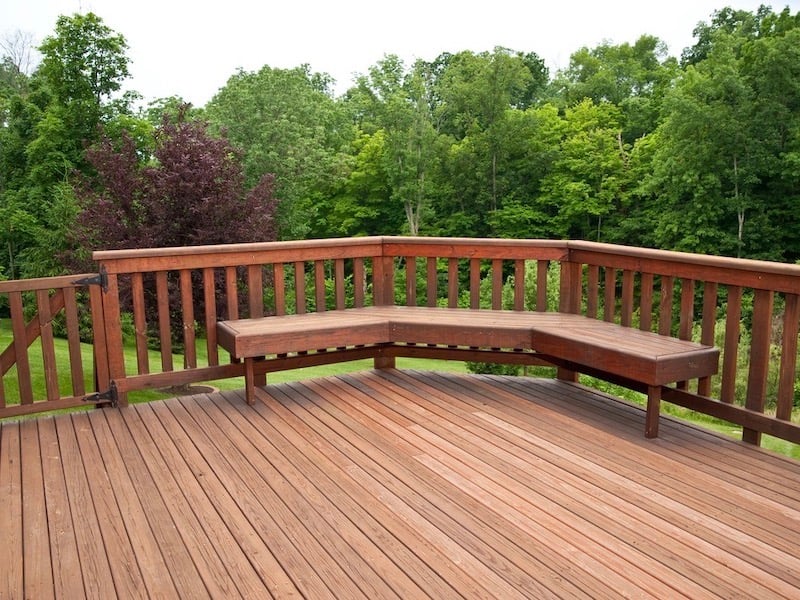
Sweep away fallen leaves and other debris and move planters and outdoor rugs off the boards so dampness doesn't collect underneath and leave stains. To find out whether a wood deck needs resealing, sprinkle a little water on the surface. If it beads, the finish is still working. If it soaks in, clean the wood and apply a fresh coat of stain and sealer on a dry day, following the same temperature guidelines as exterior paint. A sound finish lets wood stand up to warping, splintering, and rot. Composite decking doesn't need sealing, but a gentle wash with soap and water removes pollen and grime.
The structure matters as much as the surface. Railings, stairs, and posts should feel solid, with no loose fasteners or soft wood at the base of posts. The ledger board, where the deck attaches to the house, deserves a close look, since this connection carries much of the load. If your deck is more than a couple of decades old or feels unsteady, a contractor can tell you whether it meets current building codes.
10 Ways To Spruce Up Your Front Porch
6. Prepare Hoses, Spigots, Sprinklers, And Exposed Pipes
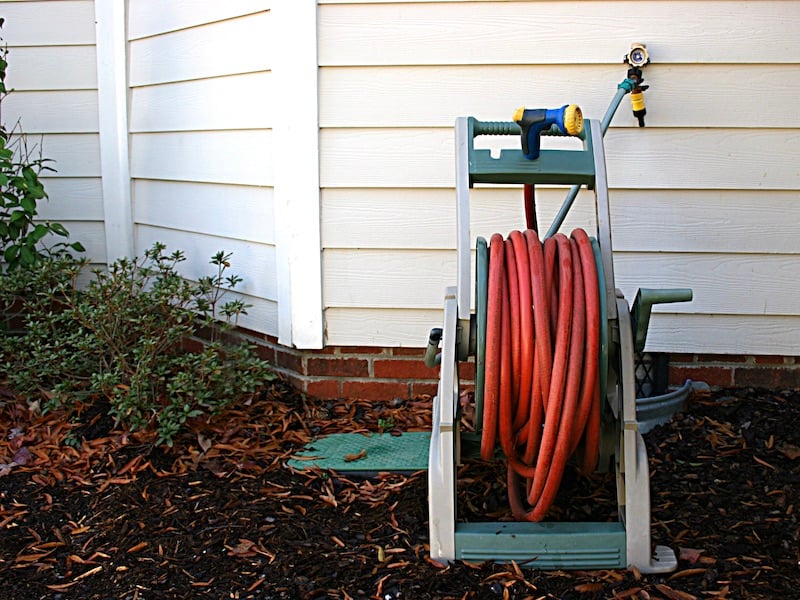
Before the first hard freeze, close the interior shutoff valves that supply your outdoor spigots, then open each spigot outside so any remaining water can drain. Disconnect garden hoses, empty them, and store them inside. Even frost-free spigots can crack if a hose is left attached, because the hose traps water inside the valve.
For an in-ground sprinkler system, schedule a professional blowout, which uses compressed air to clear water from the lines. Outdoor kitchens, fountains, and other water features should be drained as well. Finally, wrap exposed pipes in unheated spaces, such as garages or the outer walls of unfinished basements, with foam insulation sleeves. Together, these steps greatly reduce the risk of burst pipes.
7. Care For The Lawn
Fall is prime growing time for cool-season grasses like the tall fescue common throughout the region, and the effort you put in now pays off with a thicker, healthier lawn in spring.
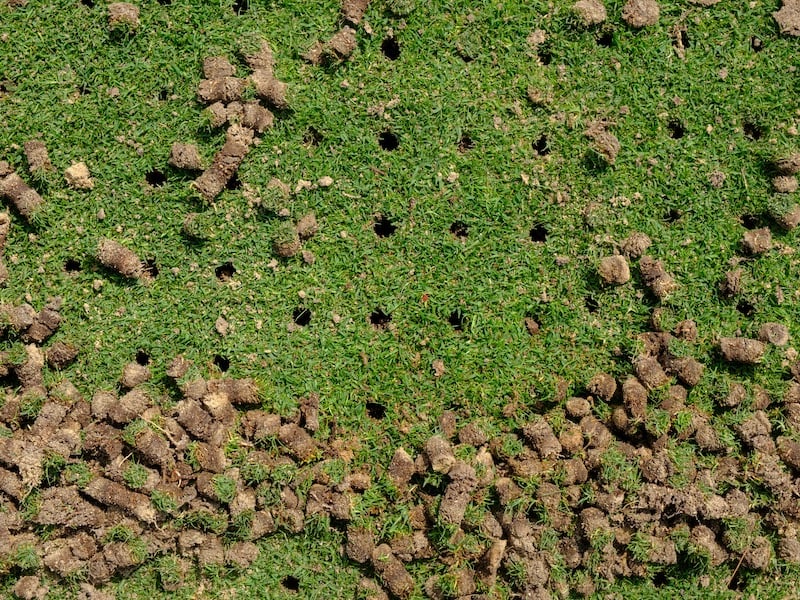
The first step is core aeration, which removes small plugs of soil from the ground to relieve compaction so that air, water, and nutrients can reach the roots. Many home and garden centers rent core aerators, and most lawn care companies offer the service. After aerating, pull weeds, overseed thin or bare patches, and apply a starter fertilizer. Seed germinates best while the soil is still warm, so aim to finish by mid-October. Some local regulations also limit fertilizer use later in the fall, which is another reason not to wait. Water new seed lightly and often until it sprouts, then shift to deeper, less frequent soakings during dry spells.
For the last few mows of the year, lower the cutting height to about 3 inches so the grass stands upright and doesn't mat down. As leaves come down, rake them or chop them with a mulching mower. A thick layer left in place blocks sunlight and traps moisture against the blades, which can lead to disease.
8. Clean And Store Outdoor Furniture And Accessories
Months of cold, wet weather take a toll on outdoor furniture. Metal can rust, wicker can unravel, and wood can split without proper care. Before the weather turns, scrub frames with a stiff brush and mild soapy water and use a softer brush on cushions. Many outdoor fabrics have removable covers that can go in the washing machine, so read the care label first. A pressure washer on a low setting works well for aluminum and plastic but can harm wood and wicker. Let everything dry completely in the sun to prevent mold and mildew. While you're at it, touch up chipped paint on iron pieces, and treat teak with oil or a protector if you prefer its golden color to the silver-gray it turns naturally.
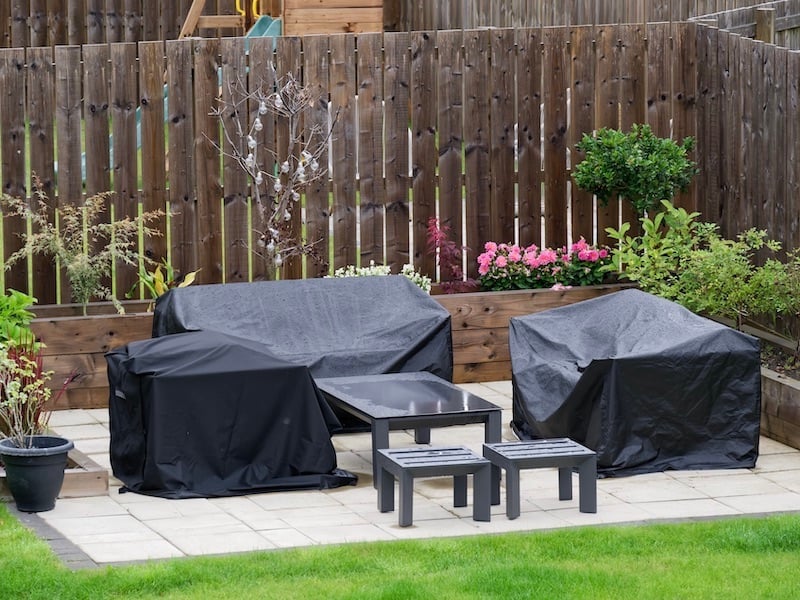
A garage or shed is the best place to store furniture during the off-season. Hang smaller items on wall hooks, stack larger ones to save space, and keep cushions off the floor so they don't draw up water from the concrete. If indoor storage isn't an option, use fitted covers with buckles, straps, or zippers that stay secure in the wind. Durable, vented fabrics let air circulate while shutting out rain and dirt. Tarps can work in a pinch if they are tied down tightly.
Finish with the rest of the patio. Move terra-cotta and ceramic planters to a sheltered spot, since they can crack as temperatures drop. If you won't be grilling for a while, clean the grates, cover the grill, and disconnect the propane tank. Store the tank outdoors in an upright position, never in a garage or basement.
How To Choose The Outdoor Furniture And Accessories For Your Home
9. Improve Insulation And Weatherstripping
With the outdoor work complete, turn your attention indoors. Sealing air leaks and adding insulation make your home more comfortable and energy efficient. ENERGY STAR estimates that homeowners can save an average of 15% on heating and cooling costs by doing both, and that nine out of 10 U.S. homes are under-insulated.
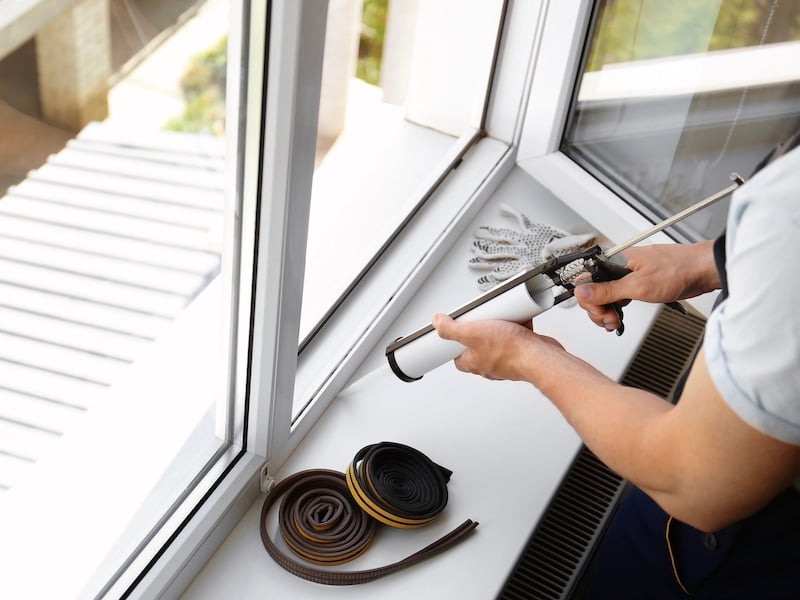
To find drafts, hold a lit incense stick near doors, windows, and recessed lights on a breezy day. If the smoke wavers, air is getting through. Replace worn weatherstripping and door sweeps, seal gaps behind interior window trim, and add foam gaskets behind outlet covers on outside walls. The attic hatch or pull-down stairs are an often-overlooked source of leaks, and adding weatherstripping and an insulated cover can make a noticeable difference. When the fireplace isn't in use, keep the damper closed so warm air doesn't escape up the chimney.
In the attic, if you can see the tops of the floor joists, you likely need more insulation. Floors over crawl spaces and the rim joists along the top of basement walls are also worth insulating. A home energy assessment, offered by many utilities, can pinpoint where your house loses the most heat. For more detail, read our overview of the various types of insulation for your home.
10. Schedule HVAC Maintenance
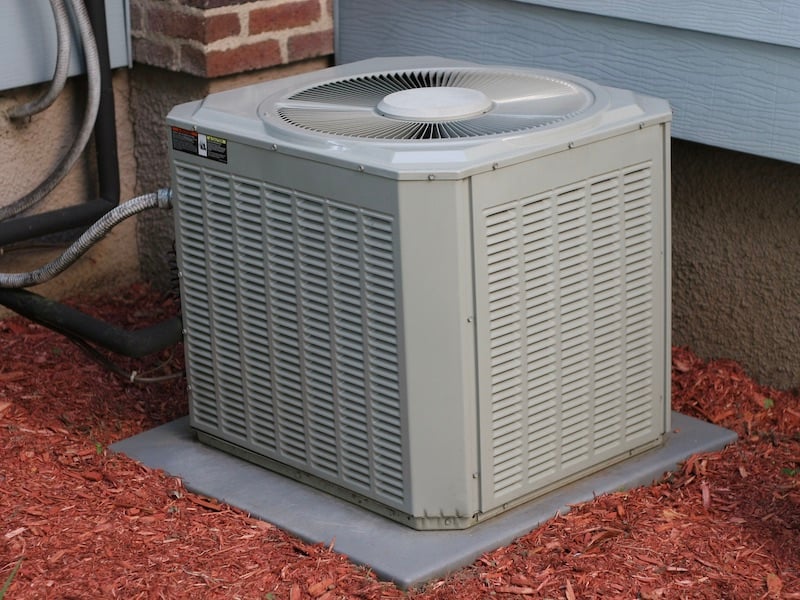
Arrange for a licensed HVAC contractor to inspect and tune up your heating system. Scheduling well ahead of the first cold snap gives you time to address any problems before service calendars fill up. For gas furnaces and boilers, the visit should include a check of the burners, venting, and heat exchanger for safe combustion. If you have a heat pump, keep leaves and debris away from the outdoor unit and leave about 2 feet of open space on all sides.
Between visits, replace air filters every one to three months, or as the manufacturer recommends, so the system runs efficiently and indoor air stays cleaner. Test the thermostat by switching to heat before you need it, and make sure furniture and rugs aren't blocking supply vents or return grilles. In homes with radiators, bleed trapped air from each one so they heat evenly.
Ceiling fans can help too. Set them to run clockwise at a low speed to gently push warm air back down into the room. A standby generator also belongs on your fall service list so it starts reliably during an outage.
11. Service The Fireplace And Chimney
Have your fireplace and chimney inspected and cleaned every year, ideally in the fall before regular use begins. Over time, soot and creosote accumulate inside the flue and can ignite. Signs that a cleaning is overdue include a fire that is hard to keep lit, tar-like deposits inside the fireplace, or a smoky odor when nothing is burning. A chimney sweep certified by the Chimney Safety Institute of America (CSIA) will clear buildup, animal nests, and other obstructions and assess the structural condition of the masonry and firebox.
Inside, the damper should open and close smoothly and seal tightly. Outside, ask the sweep to look at the chimney cap, which keeps out rain and wildlife, and the concrete crown at the top, which should be free of cracks. Gas fireplaces need servicing too, including cleaning the glass and adjusting the pilot assembly.
If you burn wood, choose seasoned hardwood, which burns hotter and produces less creosote than freshly cut logs. Stack firewood off the ground and away from the exterior walls of the house so insects don't find their way inside.

12. Maintain The Humidifier
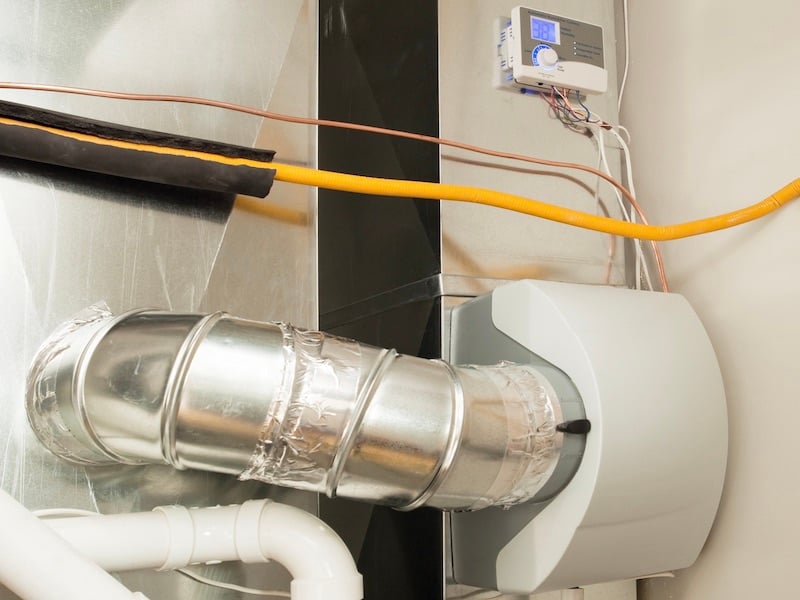
Heated indoor air tends to be dry, which can lead to static shocks, scratchy throats, and gaps in hardwood floors and fine woodwork. A humidifier in good working order adds moisture back into the air and helps protect your home's finishes.
For a whole-house system, replace the water panel, or evaporator pad, at the start of each heating season, or the canister if you have a steam model. Reopen the water supply valve and bypass damper if they were closed for the summer. Set the humidistat to keep indoor humidity between 30% and 50%, and if condensation forms on your windows, lower the setting. An inexpensive hygrometer lets you verify the levels in different rooms.
Portable humidifiers should be emptied, cleaned, and dried regularly, following the care instructions, so mold and bacteria can't take hold. Using distilled water also avoids the fine white dust that tap water minerals can leave on furniture.
13. Test The Sump Pump
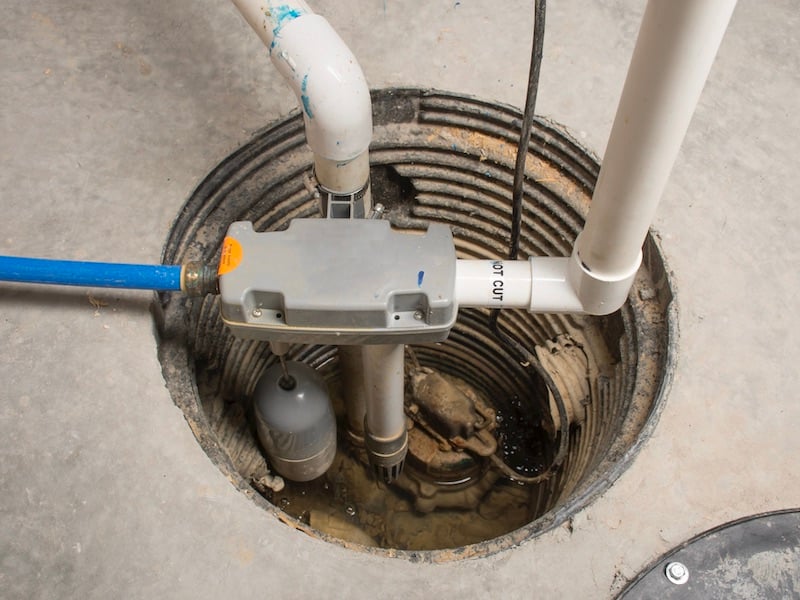
If your home has a sump pump, test it by slowly pouring a bucket of water into the pit until the float rises and the pump turns on. The water should drain quickly, and the pump should shut off on its own once the level drops. Outside, remove any leaves or debris from the discharge line so water empties well away from the house.
Scoop out any gravel or silt that has collected in the pit. If the pump turns on and off frequently, a faulty check valve may be letting water flow back in. When the pump is slow, noisy, or fails to start, or if it is more than about 10 years old, have it repaired or replaced before the heavy rains of fall and spring. A battery or water-powered backup keeps the system running if the power goes out, and a water alarm warns you if levels rise too high.
14. Evaluate Safety Equipment
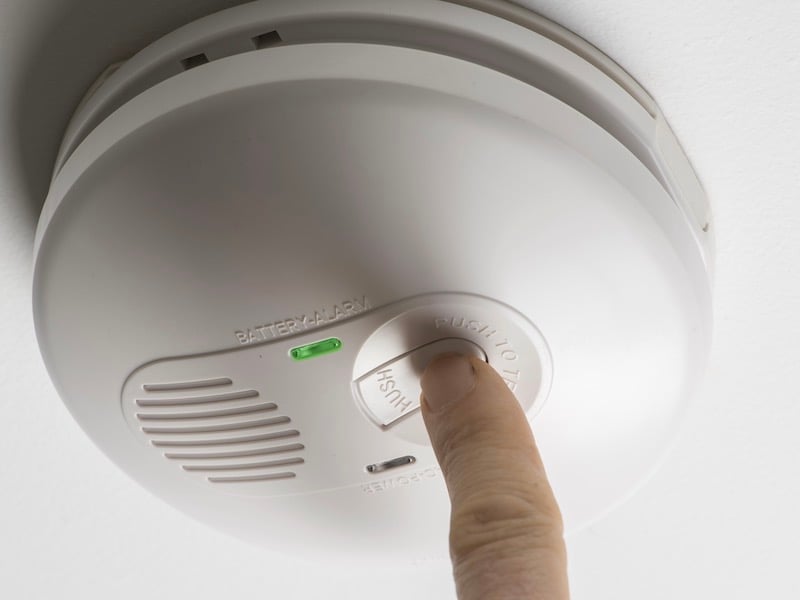
With the furnace and fireplace back in use, take a few minutes to check your smoke and carbon monoxide alarms. Press the test button on each unit, vacuum the vents to remove dust, and replace the batteries unless the alarm has a sealed 10-year battery. The National Fire Protection Association recommends testing alarms monthly and replacing smoke alarms every 10 years. Carbon monoxide alarms last between five and 10 years depending on the model, so note the replacement date printed on each one.
Both types of alarms belong outside sleeping areas and on every level of the home, and smoke alarms should also be installed inside each bedroom. Carbon monoxide alarms are especially important in homes with gas appliances, fireplaces, or an attached garage. Interconnected alarms, which all sound when one is triggered, add another layer of safety.
Keep a multipurpose fire extinguisher, labeled ABC, in the kitchen, with additional ones on each floor and in the garage. Each should be easy to reach, in good condition, and show a full charge on the pressure gauge. Note the manufacture date as well. Disposable extinguishers should generally be replaced about every 12 years, and rechargeable models serviced by a certified company every six years.
Lint buildup in dryer vents is a common cause of house fires, so have the full duct cleaned once a year, in addition to emptying the lint screen after every load. Clothes that take longer than usual to dry, a dryer that feels unusually hot, or an outdoor vent flap that stays closed while the machine runs are all signs of a blockage.
15. Deep Clean Carpets and Rugs
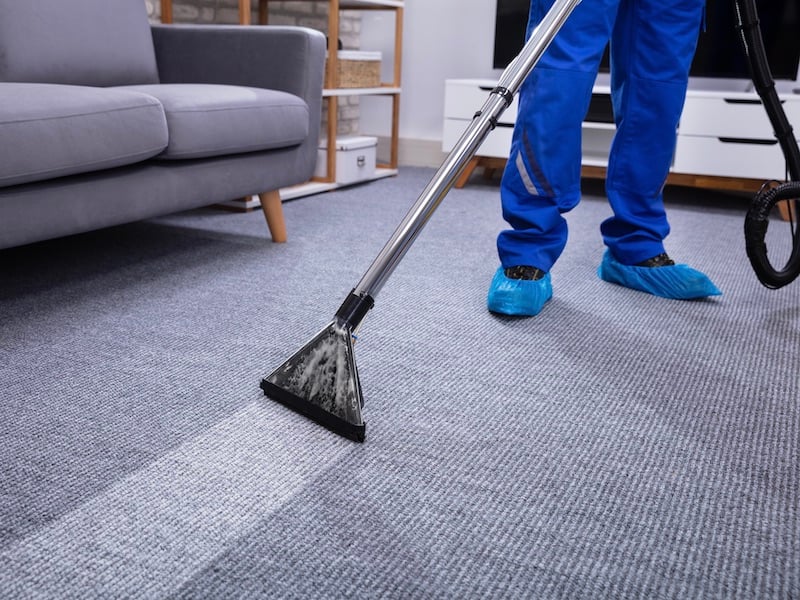
As you close up the house for the season and spend more time inside, freshen your carpets and rugs with a deep cleaning, ideally before holiday guests arrive. Even with routine vacuuming, dust, dirt, and allergens settle into the fibers. The Carpet and Rug Institute recommends a thorough cleaning every 12 to 18 months, and many carpet warranties require periodic professional service, so keep your receipts.
Hot water extraction, often called steam cleaning, is the most effective method. If you rent a machine instead of hiring a company, choose one with strong suction so it removes soil without leaving the carpet overly wet. Allow the carpet several hours to dry before walking on it, and place foil or plastic tabs under furniture legs so they don't stain the damp fibers. Leave wool, silk, and other delicate area rugs to a specialized rug cleaner.
Afterward, sturdy doormats at every entrance will catch mud and leaves before they reach your floors, and rotating area rugs every few months helps them wear evenly.
How To Choose The Right Carpet For Your Home
Frequently Asked Questions
When should I start fall home maintenance in the Washington, DC area?
Mid-September through October is ideal for outdoor projects that depend on mild temperatures, such as painting, staining, and seeding the lawn. Gutter cleaning works best later, once most leaves are down, which is often November. Outdoor water lines should be shut off before the first hard freeze, which typically arrives in the region between late October and mid-November.
Which fall maintenance tasks require a professional?
Leave roof repairs, tree trimming, sprinkler blowouts, HVAC tune-ups, and chimney inspections to licensed or certified professionals. A professional should also evaluate horizontal or widening foundation cracks and an unsteady deck, and a dryer vent service can clean the full length of the duct.
What should homeowners prioritize before the first freeze?
Focus on outdoor plumbing first: close interior shutoff valves, drain spigots and hoses, schedule a sprinkler blowout, and insulate exposed pipes. Then finish any exterior painting or staining, seal cracks in hardscaping, and have your heating system serviced.
Putting Your Plan Into Action
A few weekends of fall maintenance set your home up well for the cold weather ahead. Tackle the time-sensitive outdoor tasks first, while conditions are mild, and save the indoor projects for chillier days. Working through the list now also gives you a head start on any larger repairs or improvements you may want to consider for next year. If one of those improvements is a remodeling project, our complimentary Home Remodeling Guide covers planning, budgeting, and what to expect along the way.
At Meridian Homes, we specialize in luxury remodeling and custom home building in the Washington, DC area. Our mission is to create exceptional residences that exceed expectations. Our highly personalized design process and careful management of every project have earned us a reputation over many years for outstanding client service and solid, beautiful craftsmanship. Contact us today to begin your custom home or remodeling project.