
Eight Simple Steps to a Healthier, Greener Lawn
Washington, DC summers put real stress on a lawn: long stretches of intense sun, high humidity, and rainfall that swings between downpours and dry spells. Left unmanaged, a healthy yard can turn patchy and brown within a few weeks. A well-kept lawn is often the first impression of a home, and it deserves the same attention to detail we bring to every decision we make as a design-build firm. We regularly work alongside landscape architects and horticulture specialists on our projects, and the guidance below reflects what they most often recommend for keeping a lawn healthy through the region’s toughest months.

1. Know Your Grass Before You Start
Our region sits in what horticulturists call the transition zone, an area where summers are hot enough to stress cool-weather grasses but winters are too cold for warm-weather grasses to hold up year-round. Most lawns in the area are planted with tall fescue, a cool-season grass known for its deep roots and tolerance for shade and cold; Kentucky bluegrass is sometimes blended in for its ability to spread and self-repair thin spots, and fine fescue for extra shade tolerance. Cool-season grasses like these grow most actively in spring and fall and naturally slow down, sometimes going dormant and brown, once summer heat sets in. A smaller number of area lawns are planted with warm-season grasses, mainly Zoysia, which behave the opposite way: they green up and grow fastest in summer heat, then go dormant and brown in winter. Zoysia is generally the better fit for our winters and is the warm-season grass most often recommended here; Bermuda is used occasionally but is less reliably winter-hardy in this region. The distinction matters because the practices that help a cool-season lawn survive summer (mowing taller, watering less often, skipping fertilizer) can be the wrong approach for a warm-season lawn that is actively growing during these months. The guidance below is written primarily for tall fescue and other cool-season grasses, since that is what most DC-area homeowners have; where a warm-season lawn needs a different approach, we have noted it.
2. Mow During the Cooler Hours of the Day
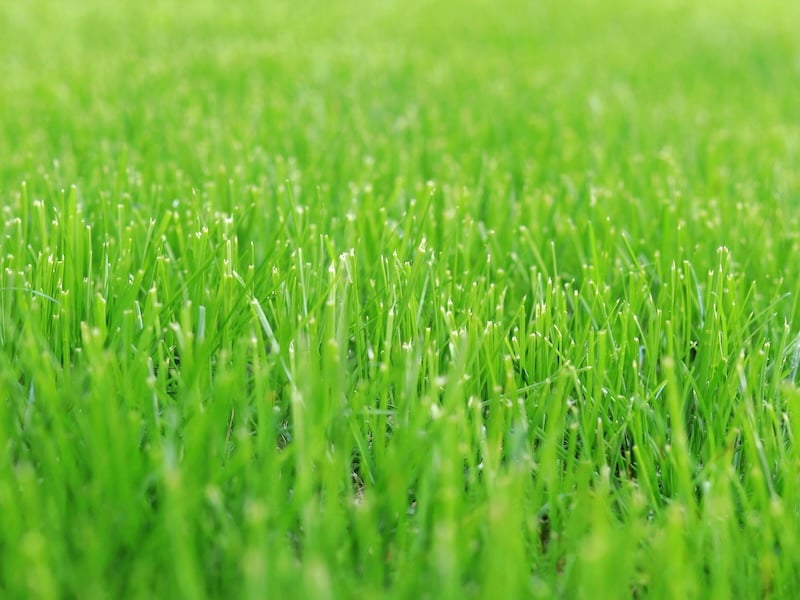
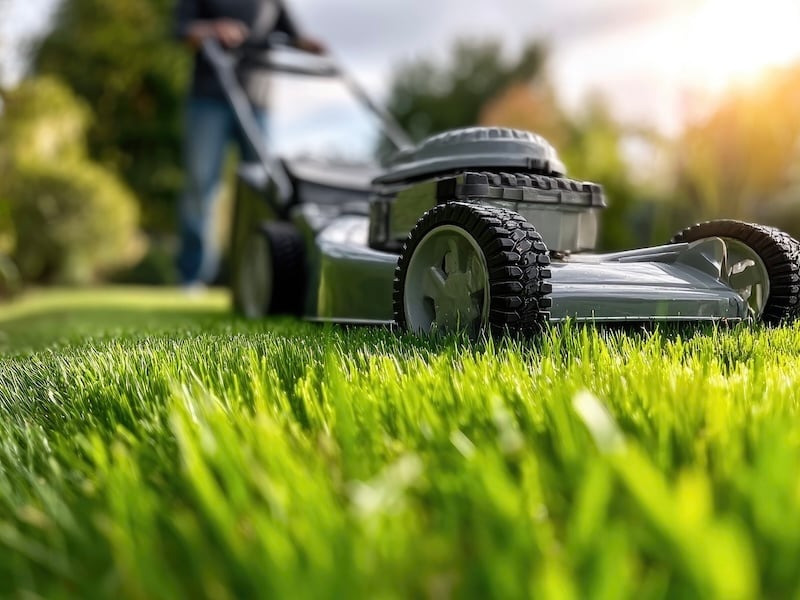
Schedule mowing for early morning, once the dew has dried, or early evening as temperatures start to drop. Cutting grass in the middle of a hot afternoon opens the blade to faster moisture loss and can leave the lawn looking scorched for days. If a stretch of extreme heat or drought slows growth, skip the mow entirely until conditions ease; cutting grass that isn’t actively growing does more harm than good.
Landscaping Your Yard: 7 Tips You Need To Know
3. Raise the Mowing Height
For tall fescue and other cool-season grasses, which make up most DC-area lawns, keep the mower deck around 3 to 4 inches during the growing season and raise it another half inch to a full inch once temperatures climb into the 90s. Warm-season grasses like Zoysia work differently: they can be cut shorter, generally 1 to 2 inches, since they are actively growing and better equipped to handle summer heat. Whichever type is in your yard, mowing toward the higher end of its ideal range in summer helps the grass shade its own soil and hold onto moisture, which keeps the roots cooler and better able to withstand heat and drought stress.

4. Sharpen Your Blades
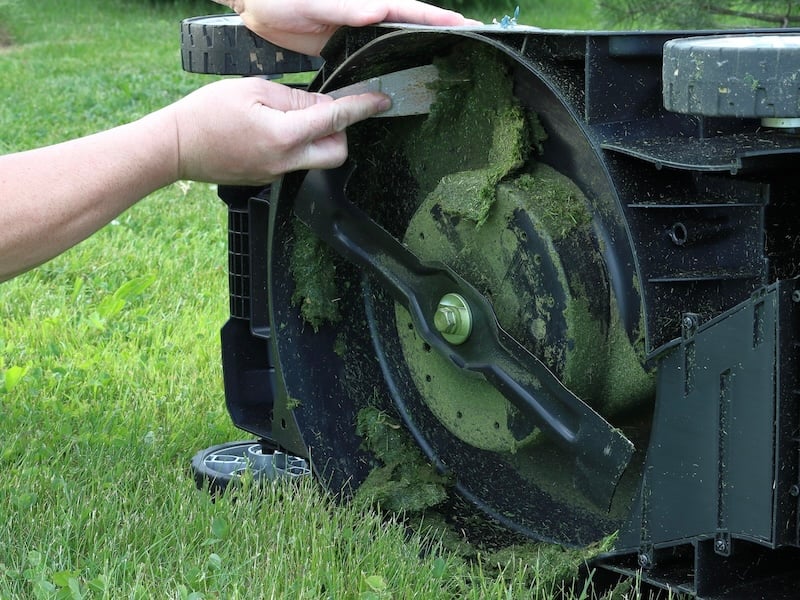
Dull blades tear grass rather than cutting it cleanly, leaving ragged, whitish tips that are more prone to disease and give an otherwise healthy lawn a tired, brown-tinged look. Sharpen blades every 20 to 25 hours of mowing, or at minimum once mid-season, so every cut heals quickly.
5. Water Deeply and Infrequently
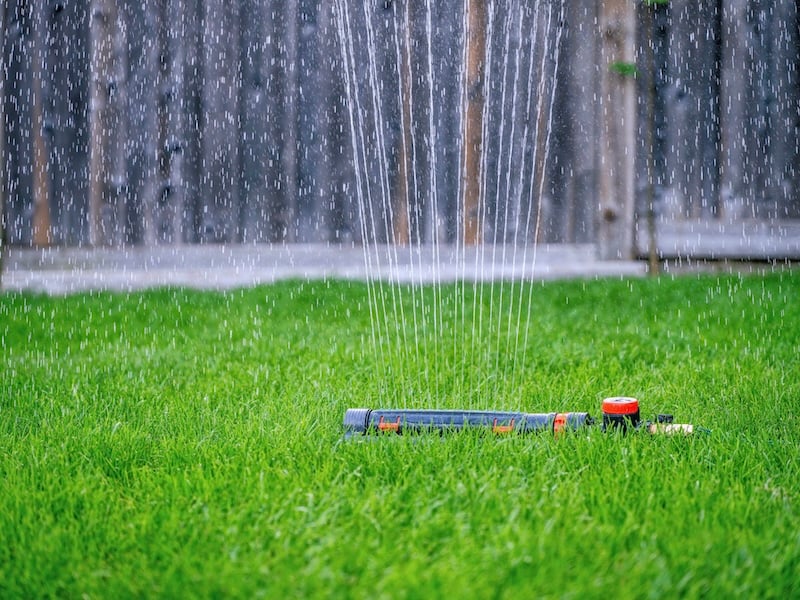
Most lawns need about 1 to 1.5 inches of water a week, rain included. Rather than watering a little every day, apply it in one or two deep sessions so moisture reaches several inches into the soil, and the roots grow down instead of staying near the surface. Run sprinklers before 10 a.m. to limit evaporation and reduce the risk of fungal disease, and check whether your jurisdiction has watering restrictions in effect during dry stretches. It’s also worth knowing that many cool-season lawns naturally go dormant and brown during the hottest weeks; that’s a survival response, not a sign of a dying lawn, and it typically greens back up once temperatures and rainfall return to normal.
6. Mulch the Clippings Instead of Bagging Them
Set the mower to mulch rather than bag, so clippings are shredded fine enough to break down quickly and return nitrogen and organic matter to the soil. Done correctly, this practice, sometimes called grasscycling, won’t create thatch and can supply a meaningful share of a lawn’s nitrogen needs over a season, cutting down on how much fertilizer you need later.
How To Prepare Your Lawn and Garden For Spring
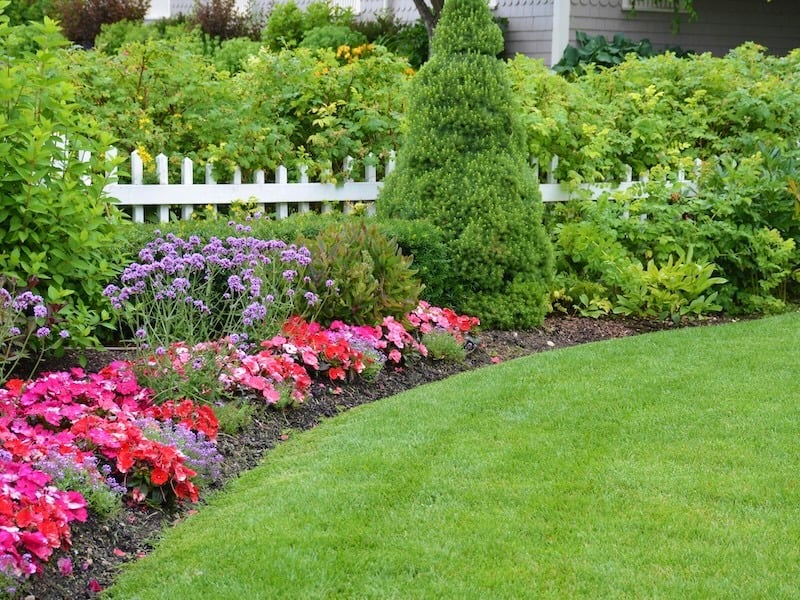
7. Fertilize on a Schedule That Matches Your Grass
For tall fescue and other cool-season grasses, avoid fertilizing during peak summer heat; it stresses the grass and increases the risk of burning it. Save the primary feeding for early fall, when these grasses are building new roots ahead of winter, and use a light application in spring to round out the program if needed. Warm-season grasses like Zoysia run on the opposite calendar: since they are actively growing through the summer, that is when they should be fed, typically with a light application in late spring or early summer and a second one no later than mid-August. Fertilizing a warm-season lawn after mid-August raises the risk of winter injury, so it is worth confirming which type of grass you have before setting a schedule.

8. Watch for Signs of Heat Stress, Disease, or Pests
Drought, fungus, and insect damage can all leave a lawn looking brown and stressed, so it helps to know the signs that set them apart. Circular patches ringed in a smoky gray or purplish color often signal a fungal disease called brown patch, which thrives in hot, humid weather. Turf that feels spongy, lifts easily, or pulls up like loose carpet can point to grub damage to the root system below. Simple drought stress typically greens back up within a day or two of watering, while disease or pest damage tends to keep spreading even after the lawn gets water. If a problem lingers for more than a week or two, it is worth bringing in a lawn care or landscape professional who can identify the cause and recommend treatment before it spreads further.

At Meridian Homes, we specialize in luxury remodeling and custom home building in the Washington, DC area. Our mission is to create exceptional residences that exceed expectations. Our highly personalized design process and careful management of every project have earned us a reputation over many years for outstanding client service and solid, beautiful craftsmanship. Contact us today to begin your custom home or remodeling project.