
How To Choose A Fireplace That Works With Structural Conditions, Budget, and Lifestyle
A well-designed fireplace adds warmth, architectural presence, and a natural focal point to a home. During cooler months, it provides comfort and ambiance, while year-round it contributes to the overall character and long-term value of a residence.
Whether you are building a custom home, undertaking a major remodel that expands or reconfigures living areas, or planning a renovation focused primarily on updating finishes, selecting the right fireplace requires thoughtful consideration. Budget, structural conditions, energy performance, safety, and ease of use all play important roles. This guide outlines today’s most common fireplace options and design styles to help you make a confident, informed decision.
Types Of Fireplaces
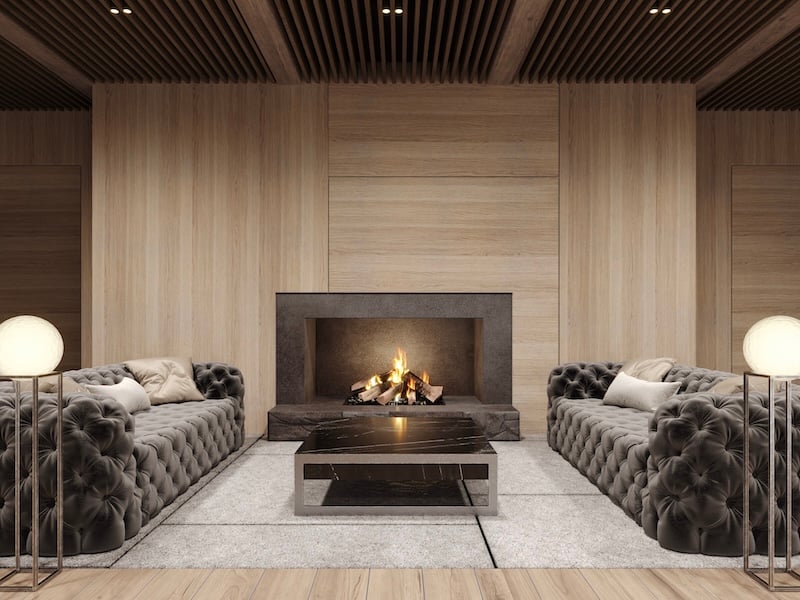
Fireplaces are commonly categorized by fuel source, with natural gas, wood-burning, and electric models representing the most widely used options today. Each type offers distinct characteristics in terms of installation requirements, heat output, maintenance, and overall experience. The sections below outline these differences to help clarify how each fireplace type functions and where it is most appropriately used.
Natural Gas Fireplaces
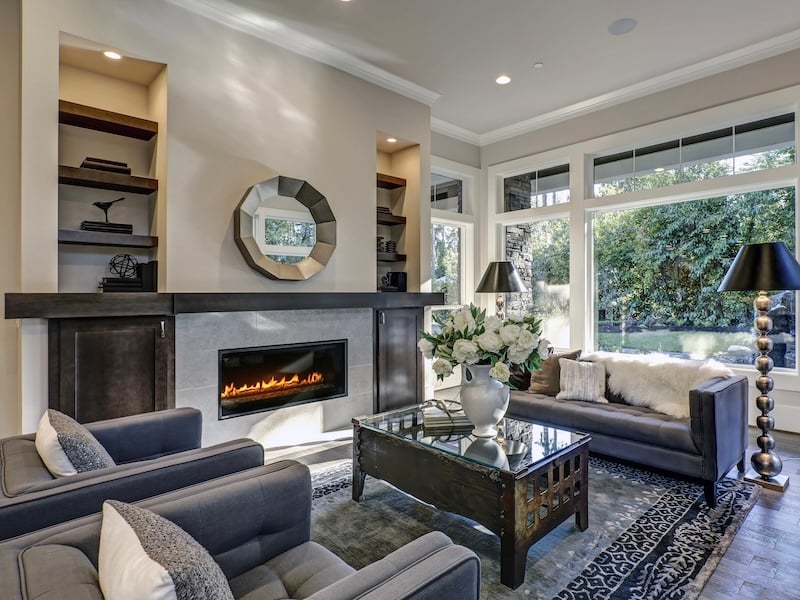
Gas fireplaces offer convenience, energy efficiency, and consistent performance with minimal day-to-day maintenance. With instant ignition and adjustable flame and heat levels, they deliver reliable warmth without the need for firewood storage or routine ash and debris cleanup. Most gas fireplaces do not require a traditional masonry chimney, allowing for greater flexibility in placement and design. Natural gas burns cleanly and produces realistic flames, making it a popular choice for both new home construction and remodeling projects. In some cases, existing wood-burning fireplaces can be converted to gas, depending on the condition of the firebox, chimney, and available venting.
1. Direct Vent Natural Gas Fireplaces
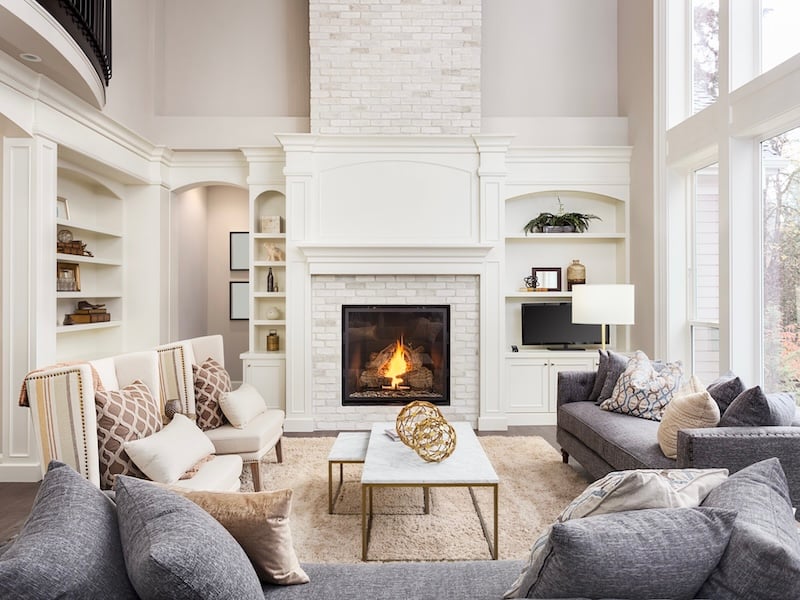
Direct vent fireplaces use a sealed system that draws combustion air from outdoors and vents exhaust safely outside through a chimney or a sealed vent pipe routed through an exterior wall. Flames are enclosed behind tempered glass, improving both safety and efficiency. Because emissions are fully vented outdoors, direct vent systems support healthy indoor air quality and are well suited to primary living spaces.
2. Ventless Natural Gas Fireplaces
Ventless natural gas fireplaces do not require exterior venting, which allows for greater flexibility in placement and can reduce installation costs. However, because combustion byproducts are released into the home, these fireplaces can contribute to moisture and odors. Local code requirements vary, so professional guidance is essential to confirm compliance and determine whether this option is appropriate for the room in which it will be installed.
Wood-Burning Fireplaces
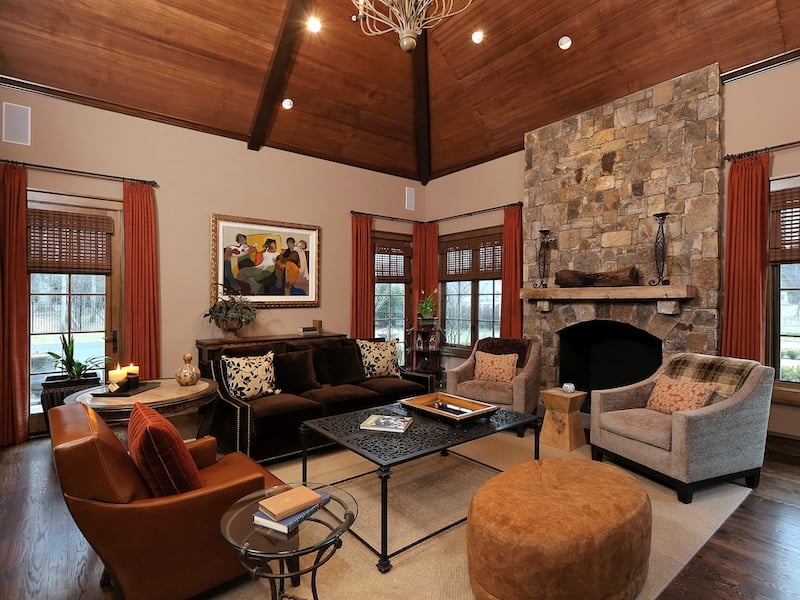
Wood-burning fireplaces appeal to homeowners who value tradition and the experience of a real fire. The sound, scent, and visual character of burning wood are difficult to replicate with other fireplace types. However, this option requires careful planning, proper venting, and ongoing maintenance.
1. Open Masonry Wood-Burning Fireplaces
Built on site using brick, stone, or concrete, open masonry fireplaces are typically incorporated during new home construction or a major remodel. They include an open firebox, chimney, hearth, and damper, which contribute to higher construction costs and more complex coordination.
While visually striking, open masonry fireplaces are not especially efficient heat sources. Building codes require a protective screen when the fireplace is in use, and many homeowners choose to add glass doors to improve safety, reduce drafts, and enhance energy performance. Fires should always be monitored, as sparks and embers can escape into the room.
2. Wood-Burning Fireplace Inserts
For existing masonry fireplaces, a wood-burning insert can significantly improve both performance and appearance. Inserts use a sealed firebox installed within the original opening and vented through the existing chimney. Many models include blowers that circulate warm air more effectively than an open fireplace, improving overall heat distribution in the room. Inserts are often selected during renovations where the structure remains intact but improved efficiency is desired.
3. Prefabricated Wood-Burning Fireplaces
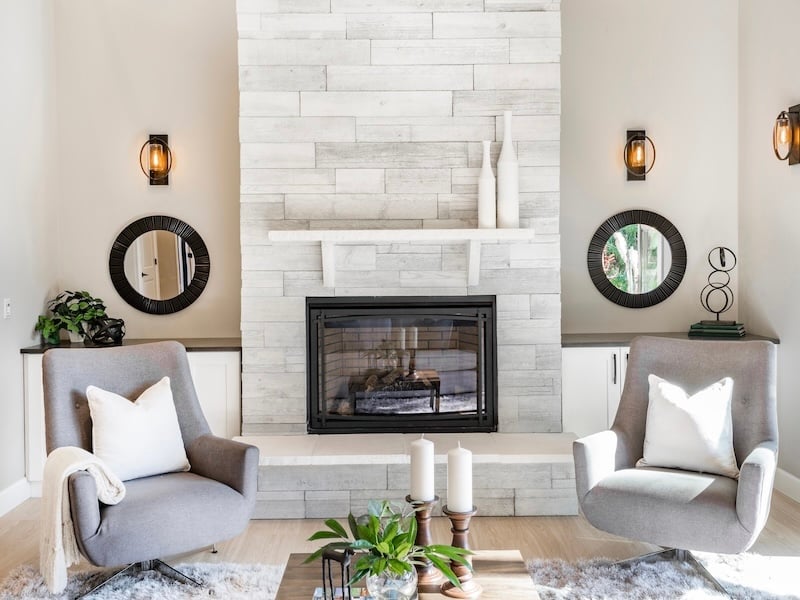
Prefabricated fireplaces are factory-built systems made primarily of metal and designed for improved efficiency compared to traditional open masonry fireplaces. They are often finished to resemble masonry and paired with a dedicated metal chimney system. These fireplaces are commonly used in custom homes and major remodels where a traditional masonry fireplace is not feasible. Proper installation by a qualified professional is essential to meet building and safety requirements.
Electric Fireplaces
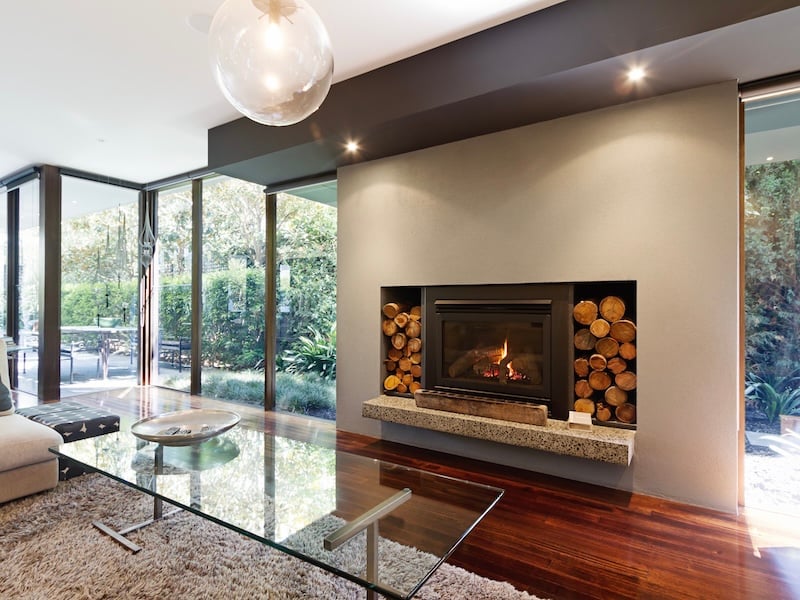
Electric fireplaces are designed to replicate the appearance of a traditional fireplace while providing supplemental heat. They are often selected for condominiums, apartments, or homes where chimneys and gas lines are not feasible. Installation is typically straightforward, maintenance requirements are minimal, and upfront costs are generally lower than gas or wood-burning options.
Heat output is modest and intended to supplement, rather than replace, a home’s primary heating system. The flame effect is created using LED lighting rather than actual fire, allowing the fireplace to be operated with or without heat for year-round visual appeal.
1. Mantel-Style Electric Fireplaces
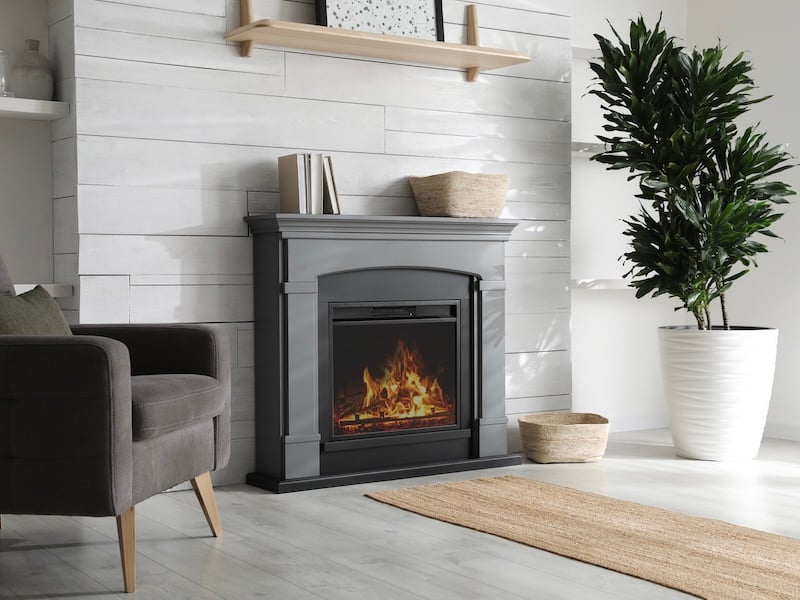
Mantel-style electric fireplaces combine a self-contained electric firebox with a decorative mantel surround, creating the look of a traditional fireplace without the need for venting or a chimney. They can be placed against a wall or in a corner and typically plug into a standard electrical outlet once assembled. These units work well in rooms where architectural changes are not planned but a fireplace presence is desired, making them a practical option for aesthetic-focused renovations.
2. TV Console Electric Fireplaces
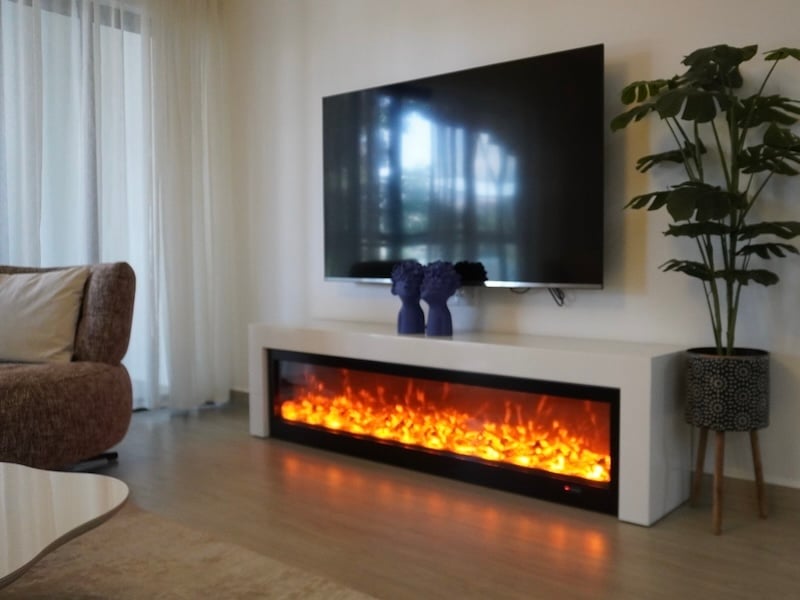
TV console units incorporate an electric firebox within a low-profile base positioned beneath a wall-mounted television. The surface above can be styled with decorative elements, allowing the fire feature and television to function as a coordinated focal point. Because electric models produce modest, controlled heat, they can be placed below a television without affecting its performance.
3. Wall-Mounted Electric Fireplaces
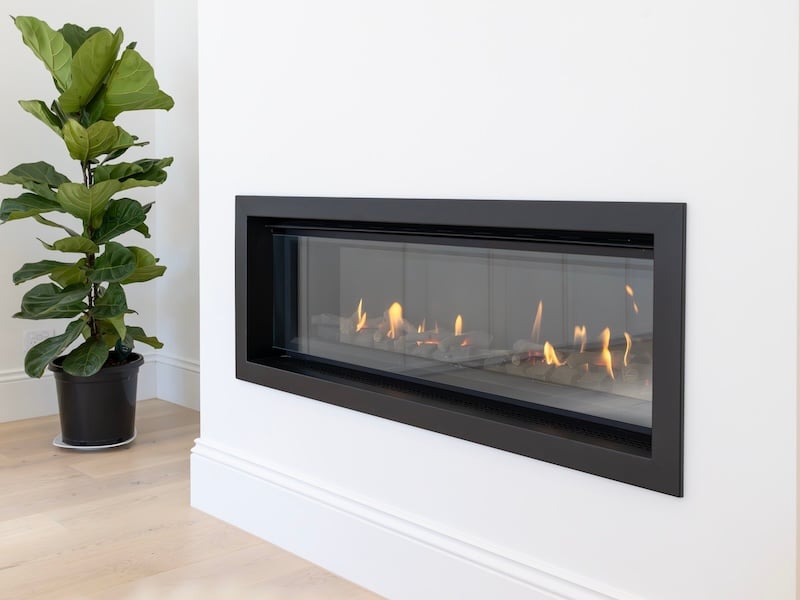
Wall-mounted electric fireplaces are typically linear in design and offer a clean, contemporary appearance. Many models are recessed into drywall, creating a built-in look that blends seamlessly with modern interiors. Professional installation is often recommended to ensure proper electrical connections, clearances, and compliance with local building codes. Some designs feature multi-sided viewing, allowing the fireplace to be enjoyed from different angles within the room.
Materials For Fireplace Surrounds
The material selected for a fireplace surround plays a key role in shaping the look and character of a room. Depending on the design intent, materials such as stone, marble, wood, concrete, or tile can be carried from floor to ceiling to create a strong architectural statement or applied more selectively as a partial surround for a quieter presence. In either approach, thoughtful material selection helps define the style of the space while ensuring the fireplace feels balanced and intentionally integrated into the overall design.
1. Marble Slab Fireplace Surrounds
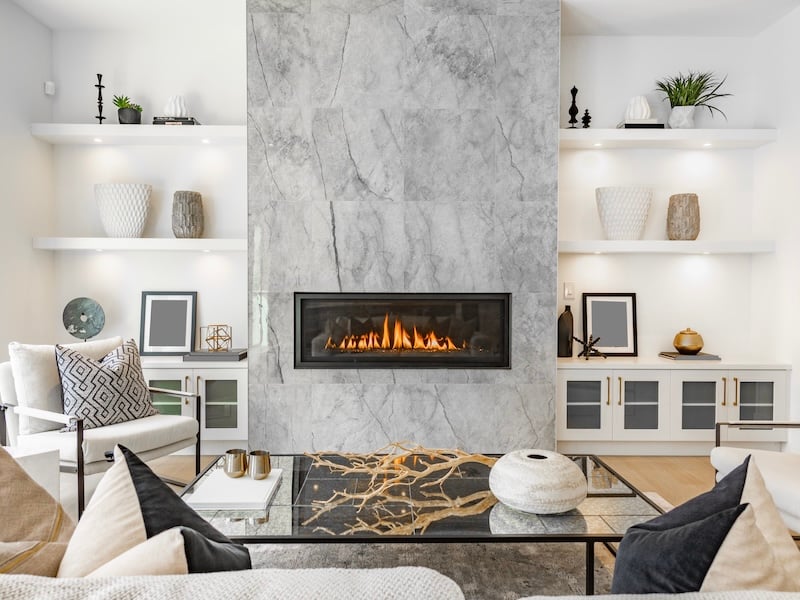
Marble slab surrounds are well suited to modern and minimalist interiors. Using large-format slabs limits visual breaks and creates a clean, cohesive appearance. Lighter marble can be paired with a darker firebox to introduce contrast and definition, while deeper-toned marble makes a stronger statement on its own. In either approach, the result remains refined and visually impactful.
2. Random-Sized Stone Fireplace Surrounds
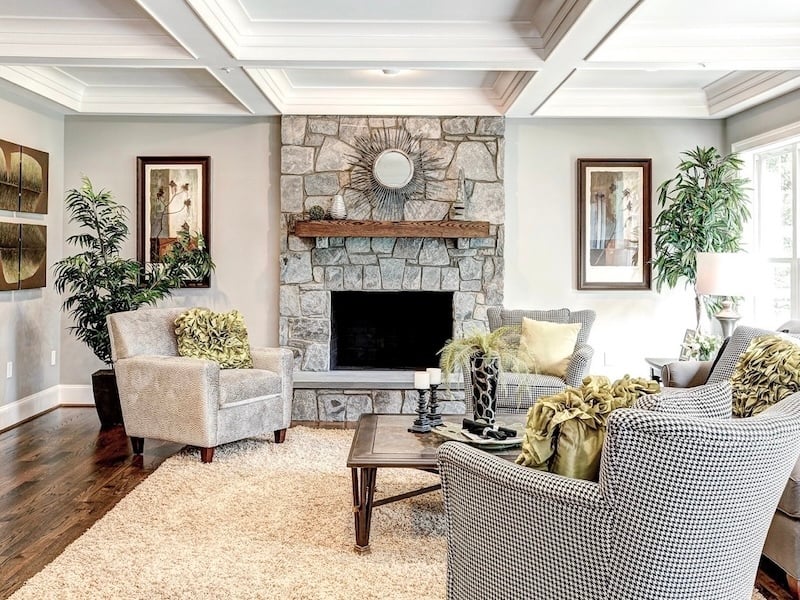
Random-sized stone introduces texture and variation when used from floor to ceiling. A simple wood mantel provides warmth and a clear horizontal element that helps balance the vertical emphasis of the surround. This combination is often selected for homes that incorporate traditional materials within an updated architectural framework.
3. Natural Stone Brick Fireplace Surrounds
Natural stone brick offers a timeless fireplace treatment that adapts easily to a wide range of interiors, from rustic and organic to clean-lined and contemporary. The consistent brick format provides order and structure, while natural variation in color and texture adds warmth and depth. When used from floor to ceiling, stone brick creates a visually grounded focal element that works comfortably alongside both traditional materials and modern furnishings.
4. Stacked Stone Fireplace Surrounds
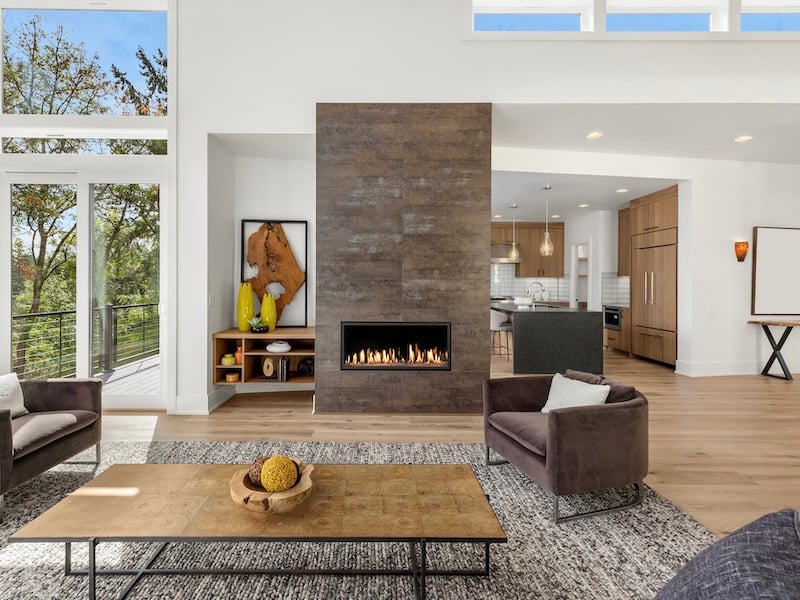
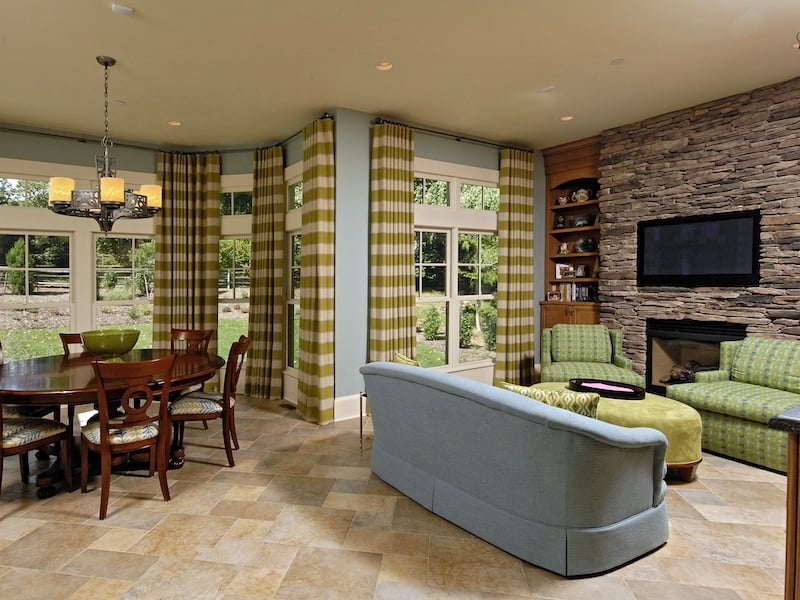
A stacked stone wall adds depth and visual interest, particularly in open living areas. Integrating the fireplace and television within a single stone surface creates a unified focal element, while flanking built-in cabinetry offers a custom look and provides functional storage.
5. Metal And Integrated Panel Surrounds
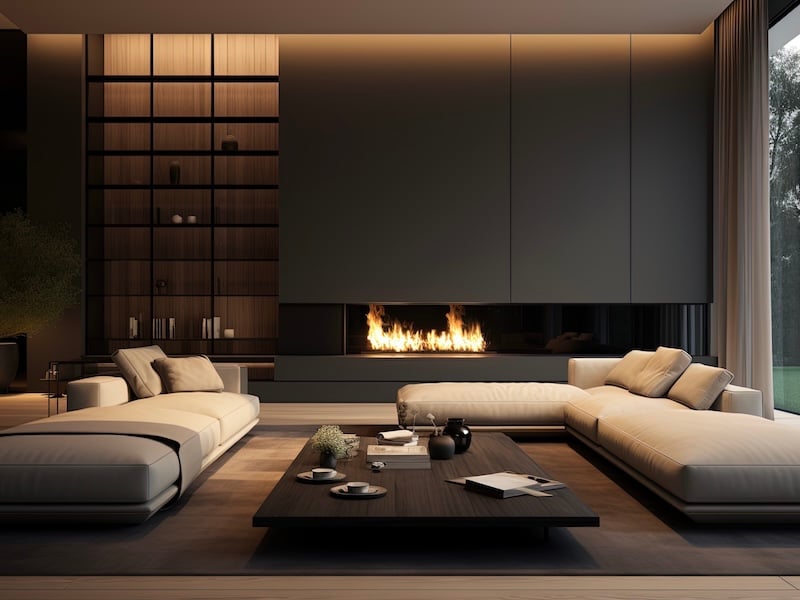
In contemporary interiors, fireplace surrounds can be designed using metal panels or integrated wall systems that emphasize clean lines and minimal detailing. Dark-toned metal or matte-finish panels create a dramatic backdrop for a linear fireplace, allowing the flame itself to become the primary visual element. When combined with concealed joints and surrounding millwork or shelving, this approach results in a sleek, cohesive composition that feels intentional and modern, particularly in larger living spaces where scale and proportion are key design considerations.
6. Wood Panel Fireplace Surrounds
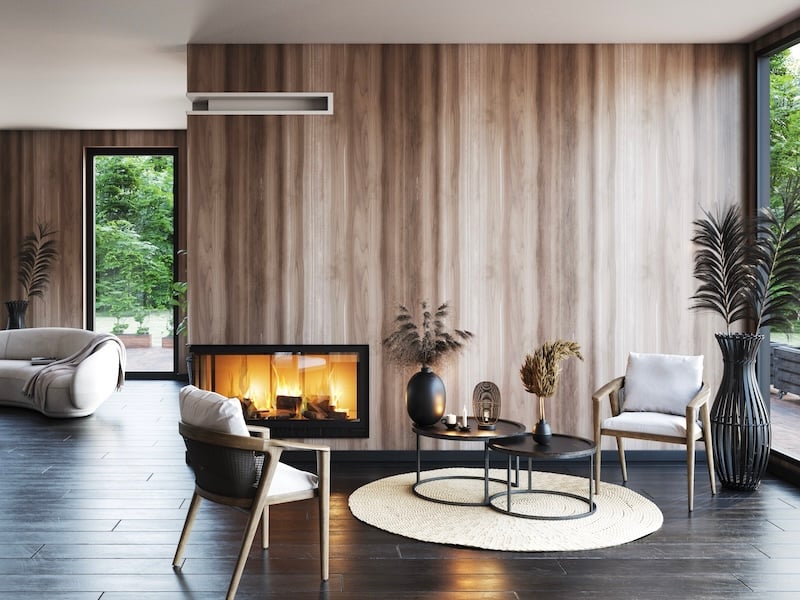
Wood panel fireplace surrounds offer a flexible design approach that can be tailored to a range of interiors, from modern farmhouse to contemporary and transitional. Lightly stained or softly textured panels introduce warmth and an organic feel, while smoother profiles and refined finishes support a cleaner, more contemporary look. Mid-tone woods and subtle detailing strike a balance between the two, making wood paneling a natural fit for transitional spaces. Used as a full-height treatment, wood paneling establishes a strong visual presence that complements the fireplace without competing with other elements in the room.
7. Stone And Wood Fireplace Surrounds
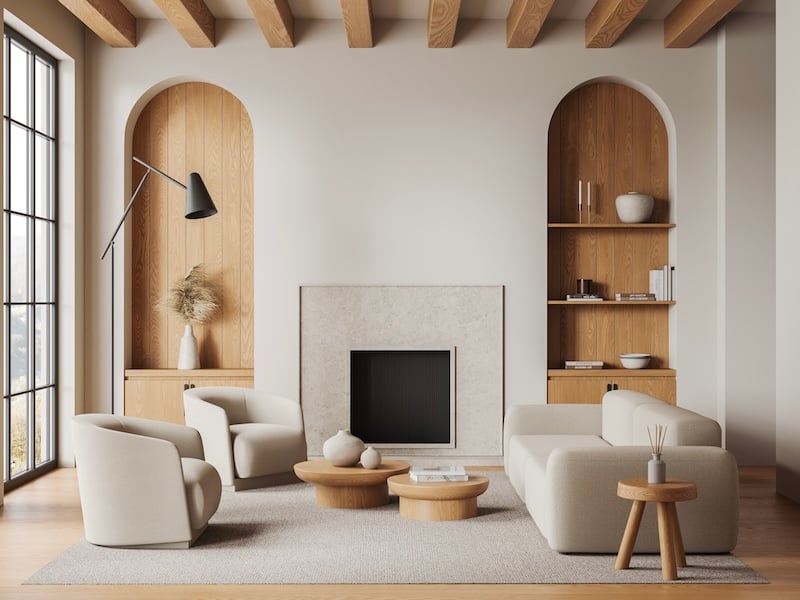
Combining stone and wood is an effective way to achieve a minimalist fireplace design that still feels warm and intentional. Light-toned stone provides a quiet, refined frame for the firebox, while wood elements introduce subtle texture and natural variation without adding visual clutter. When detailed with clean lines and restrained profiles, this pairing supports a calm, uncluttered aesthetic that works especially well in contemporary and transitional interiors where simplicity and material quality are prioritized.
Styles Of Fireplaces
Fireplace style refers to the overall visual character of the fireplace and how it relates to the surrounding architecture and interior design. From streamlined linear installations to more traditional mantel-based designs, the style you choose influences the scale, presence, and role the fireplace plays within a room. Understanding the different style options helps ensure the fireplace complements the home’s architecture, supports the layout, and aligns with both aesthetic preferences and daily living needs.
Linear-Style Fireplaces
Linear fireplaces are defined by their wide, rectangular openings and are most often selected for modern and contemporary interiors. Typically gas-fired, they are installed within a wall and paired with tailored surrounds in materials such as stone, wood, or concrete. Linear fireplaces can also be configured as corner units or incorporated into freestanding elements, allowing the fire to be viewed from multiple directions and making them well suited to open-plan layouts.
1. Decorative Front Screen For A Linear Fireplace
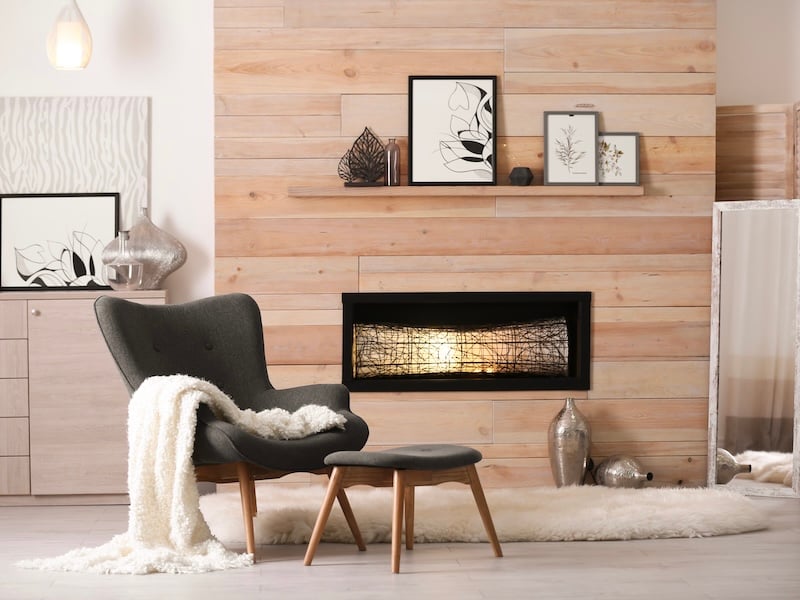
A decorative front screen introduces a subtle layer of detail while preserving the clean profile associated with linear fireplaces. When paired with a natural wood surround that extends from floor to ceiling, the result feels intentional and well balanced. This approach works particularly well in interiors influenced by Scandinavian or coastal design, where warmth and simplicity are key considerations.
2. Recessed Linear Fireplace In A Natural Stone Surround
Recessing a linear fireplace within a stone surround creates a clean, contemporary look. Light-colored limestone extending from floor to ceiling adds subtle texture while keeping the surround visually balanced, allowing the fireplace to stand out without competing with surrounding finishes.

3. Wrap-Around Linear Fireplace
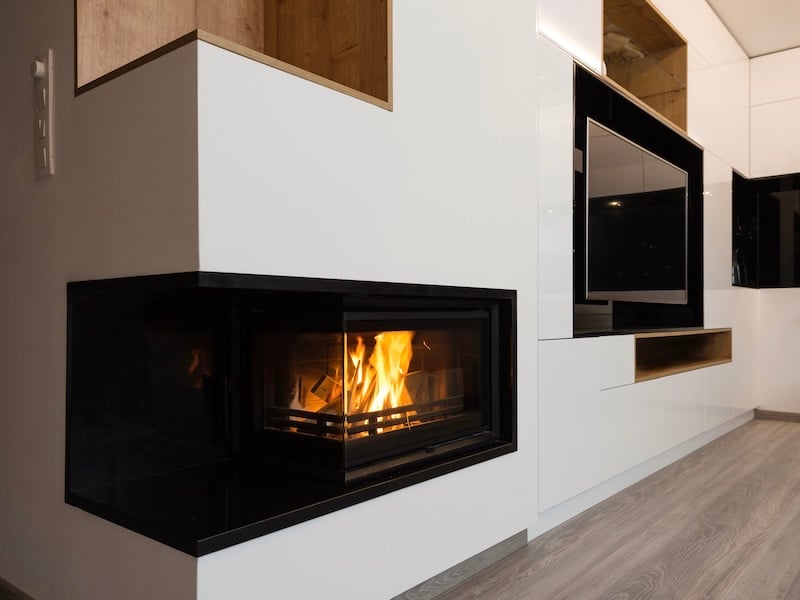
Wrap-around linear fireplaces extend around the corner of a wall, creating a continuous visual element and a more custom feel. Other configurations place the fireplace within a freestanding structure, allowing it to be viewed from two adjacent rooms and supporting visual connection within larger living areas.
4. Tiled Wall Surround For A Linear Fireplace
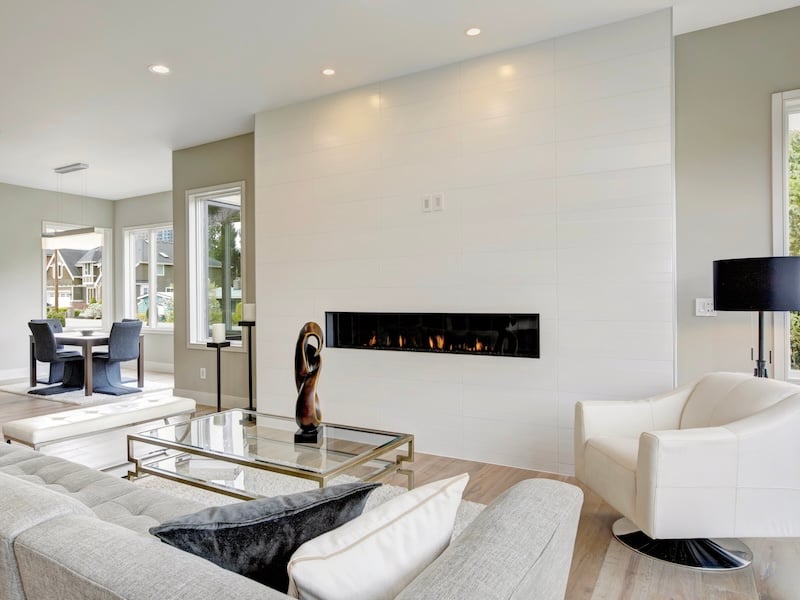
A tiled wall surround reinforces the horizontal emphasis of a linear fireplace while providing contrast between the firebox and surrounding surfaces. Light-colored tile extending from floor to ceiling creates a clean backdrop, allowing a darker firebox to read clearly without overwhelming the room. This approach is particularly effective in contemporary interiors with neutral palettes and natural materials.
Mantel Surrounds
A mantel surround frames the opening of a wood-burning or gas fireplace and provides both visual structure and practical protection for surrounding wall surfaces. Available in a wide range of styles and materials, including cast concrete, wood, and stone, mantel surrounds can be tailored to complement both traditional and contemporary interiors. In many settings, mantels also provide an opportunity to introduce artwork or carefully selected decorative elements.
1. Cast Concrete Mantel
Cast concrete mantel surrounds offer exceptional flexibility in form, proportion, and finish. Custom fabrication allows for precise control over height, profile, and color, making concrete a strong choice for modern and transitional homes where a tailored, well-defined presence is desired.
2. Freestanding, Double-Sided Mantel Surround
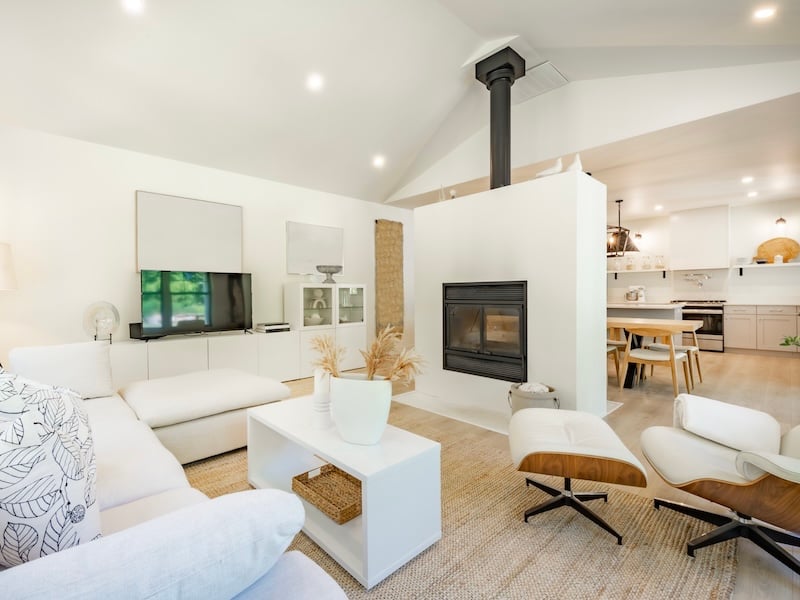
Freestanding, double-sided mantel surrounds allow the fireplace to be viewed from two adjacent spaces, such as a kitchen and family room. This configuration supports open floor plans by defining each area without introducing visual barriers, while creating a shared focal point that connects the spaces.
3. Classic Wood Mantel With Marble Surround And Built-Ins
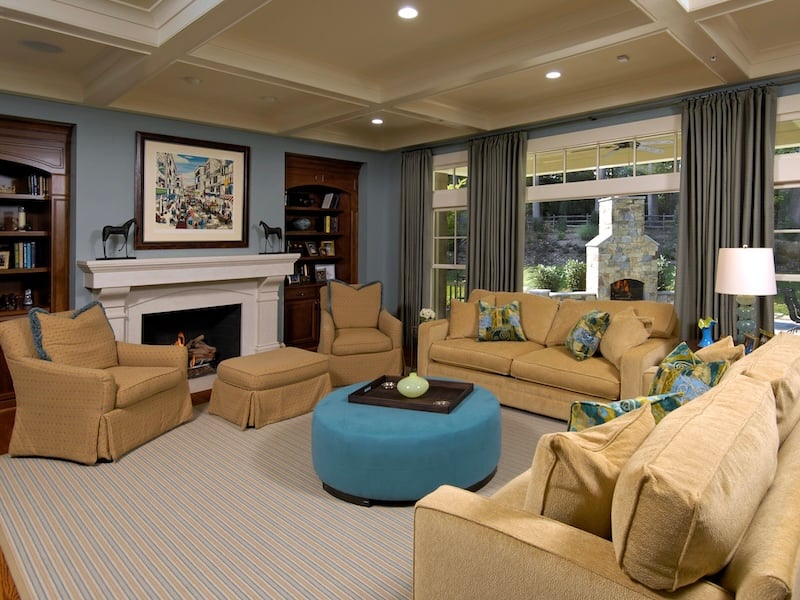
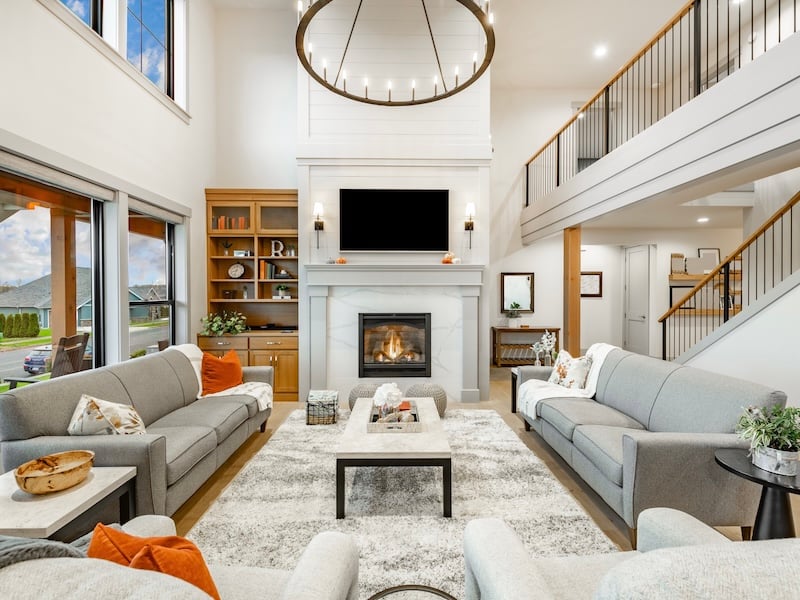
A wood mantel paired with a marble surround creates a timeless focal point that feels both substantial and refined. The warmth of the wood mantel adds contrast and definition, while the light-toned marble surround keeps the fireplace visually balanced and bright. When flanked by built-in cabinetry, this combination establishes a sense of symmetry and cohesion, allowing the fireplace to anchor the room without feeling dominant. This style is particularly well suited to larger family rooms and open living areas, where scale, proportion, and architectural presence are key considerations.
4. Light-Colored Mantel Design For Smaller Rooms
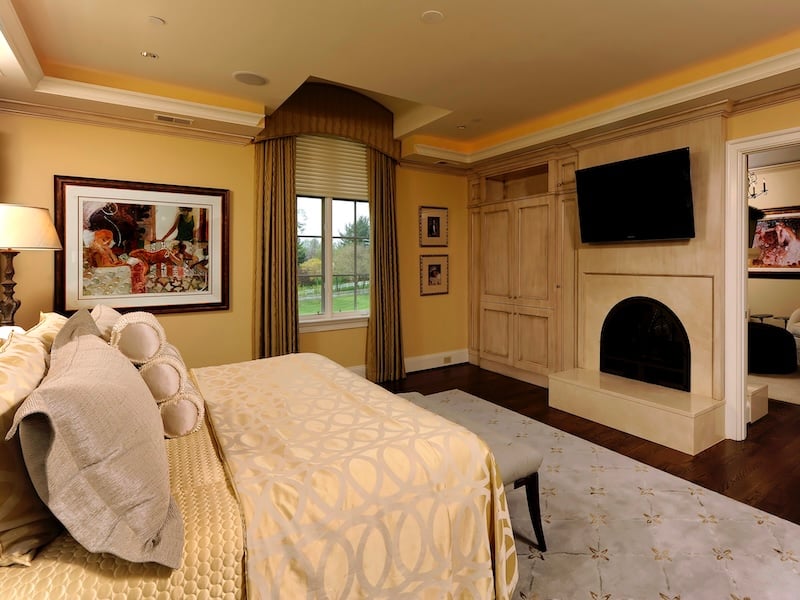
In smaller spaces, a lighter-colored mantel surround allows the fireplace to serve as a focal point without overwhelming the room. Pale stone or softly finished wood reflects light and helps the fireplace remain well scaled, while a more compact mantel profile ensures it fits comfortably within the space. This approach works particularly well in bedrooms and other intimate settings, where careful proportion and restraint contribute to a refined, understated result.
5. Stained Wood Mantel Coordinated With Built-In Cabinetry
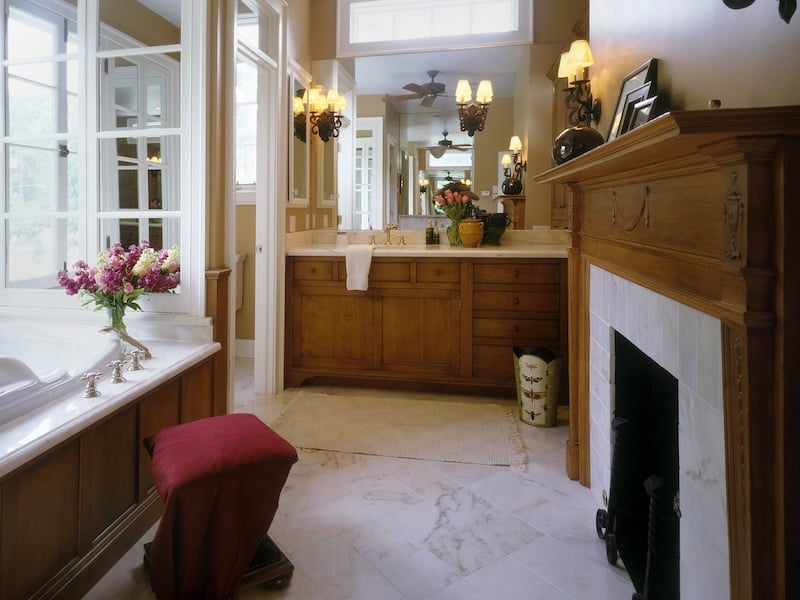
In bathrooms, kitchens, or family rooms with built-in cabinetry, a stained wood mantel that matches the surrounding millwork creates a strong sense of continuity and cohesion. By repeating the same wood tone and finish, the fireplace reads as part of the overall cabinetry composition rather than a separate feature. A complementary marble surround can then be used selectively to tie in nearby floor or surface materials without competing with the woodwork.
At Meridian Homes, we specialize in luxury remodeling and custom home building in the Washington, DC area. Our mission is to create exceptional residences that exceed expectations. Our highly personalized design process and careful management of every project have earned us a reputation over many years for outstanding client service and solid, beautiful craftsmanship. Contact us today to begin your custom home or remodeling project.