
Pros And Cons Of Today's Most Popular Tile Materials
Selecting tile flooring involves more than choosing a color or pattern. The material should complement the architectural style of the home, feel proportionate to the room, and perform reliably in its intended setting. Kitchens and hallways demand surfaces that withstand sustained use, while bathrooms, foyers, and laundry rooms require materials that manage moisture effectively. Cost is also an important factor, as tile varies widely based on composition, size, and finish.
Types Of Tile Flooring Materials
Tile flooring is produced from a range of materials, each offering distinct advantages and care requirements. Understanding these differences makes it easier to select the right material for the specific conditions of a room. The following overview highlights seven widely used tile types and the qualities that distinguish them.
1. Natural Stone Tile
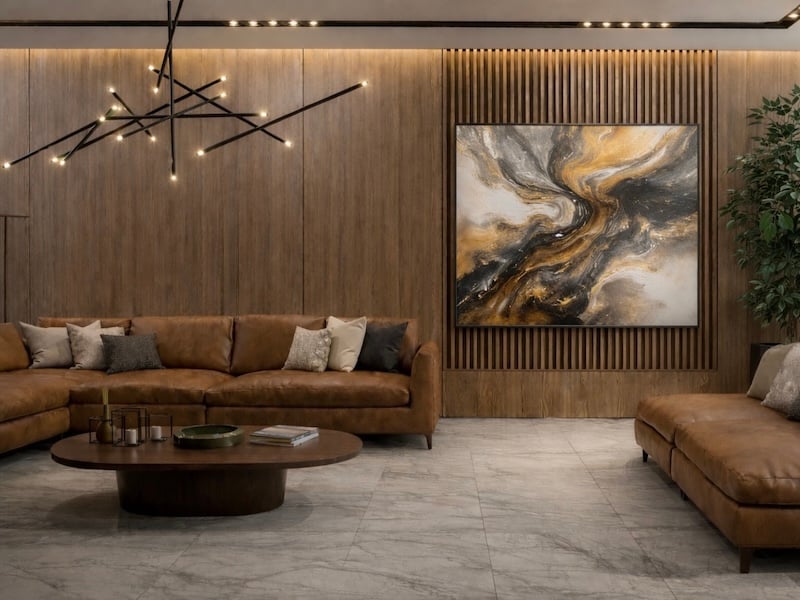
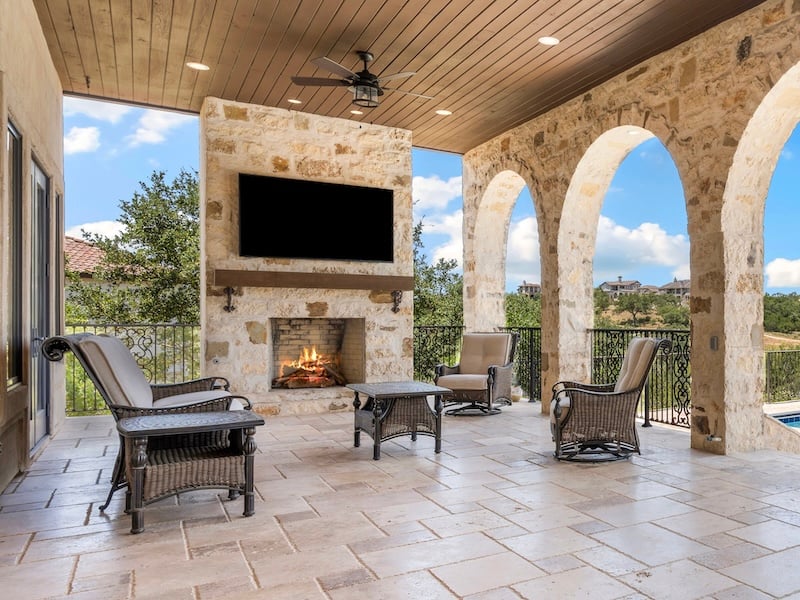
Natural stone tile is crafted from materials such as slate, granite, limestone, travertine, and marble. It is available in polished, honed, brushed, or textured finishes and in a variety of sizes, allowing flexibility across many interior design styles.
Stone is valued for its variation and dimensional surface. Because it is inherently porous, periodic sealing—typically every two to three years—is necessary to guard against moisture penetration and staining. When properly maintained, stone flooring offers lasting strength and enduring character.
2. Porcelain Tile
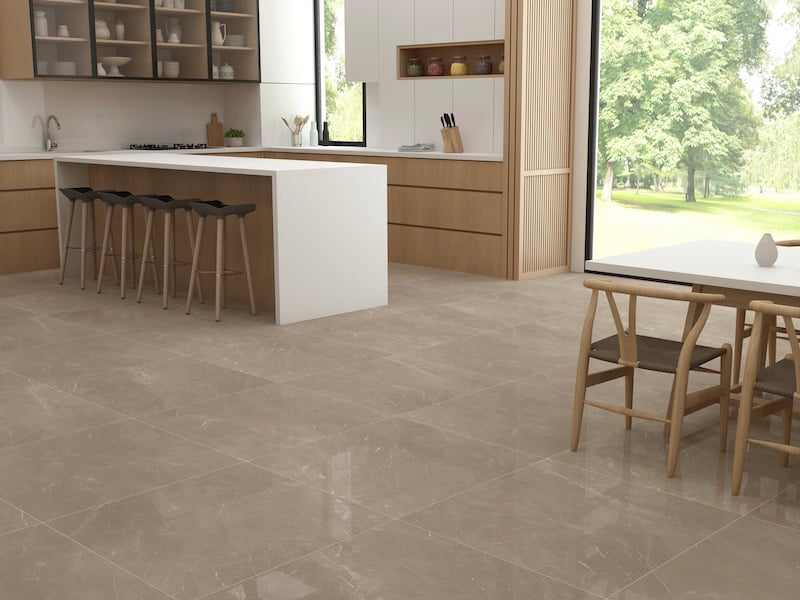
Porcelain tile is fired at extremely high temperatures, producing a dense surface with very low water absorption. Its composition makes it well suited for areas exposed to frequent use or routine moisture, including kitchens, bathrooms, entryways, and laundry rooms. It resists wear, staining, and impact, providing reliable long-term durability.
Porcelain is manufactured in an extensive range of finishes and patterns, including designs that replicate wood or natural stone. Large-format porcelain tiles require fewer grout lines, creating a cohesive, streamlined appearance appropriate for traditional, transitional, and contemporary interiors.
3. Ceramic Tile
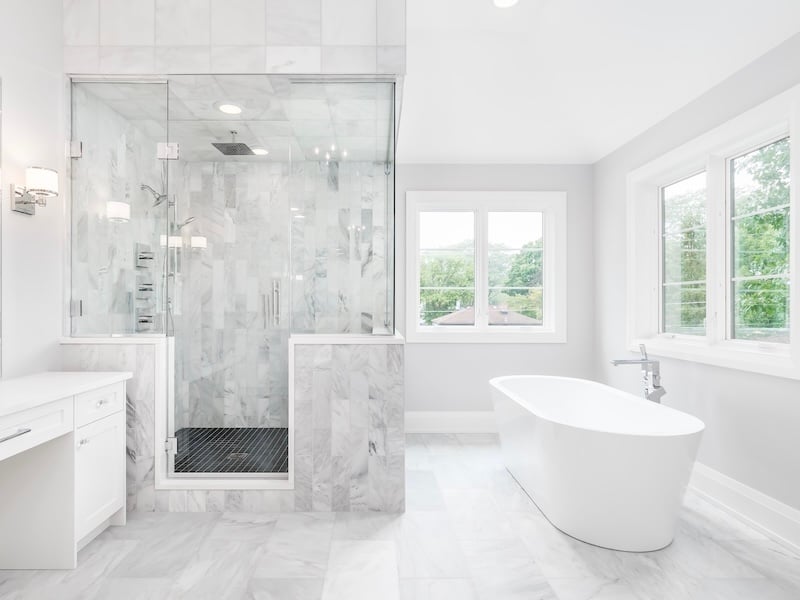
Ceramic tile is also formed from clay but fired at lower temperatures than porcelain, resulting in a less dense and more porous surface. Because it offers limited resistance to impact and moisture, it is better suited for rooms with moderate activity rather than areas subject to constant traffic or damp conditions.
Ceramic is distinguished by its design versatility. It is produced in numerous colors, shapes, and surface treatments, making it especially useful when pattern or decorative detail is a priority. Ceramic tile is generally more economical than porcelain and easier to cut during installation.
4. Concrete Tile
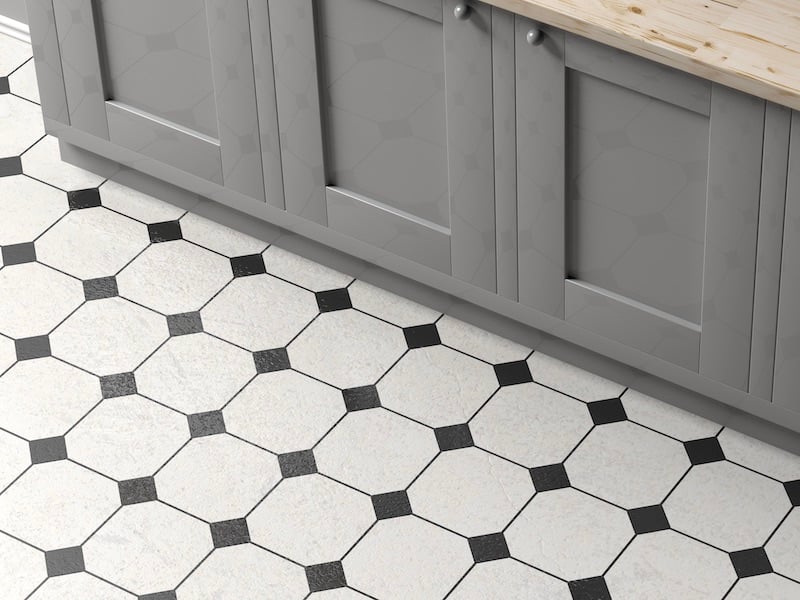
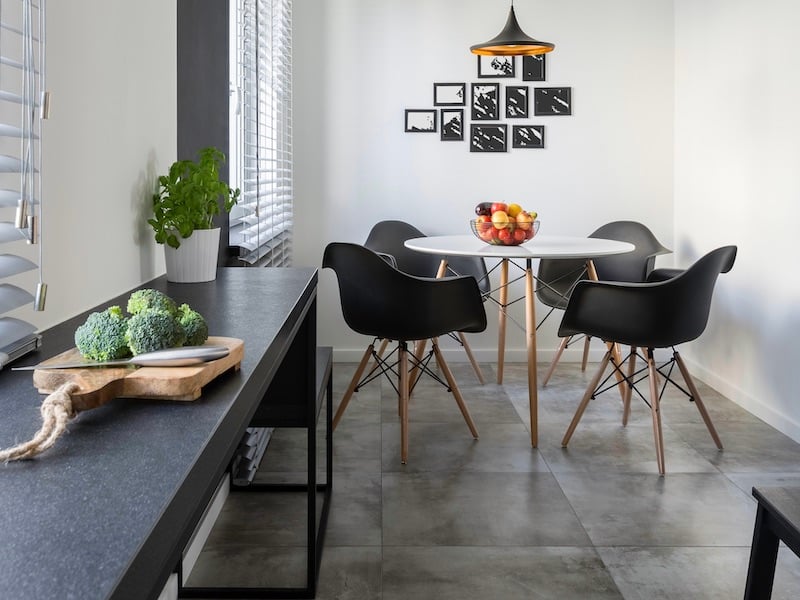
Concrete tile is known for its structural strength and ability to withstand substantial foot traffic. It is frequently used in kitchens, hallways, and entry areas where durability is essential. During manufacturing, pigments and aggregates can be integrated into the mix, allowing for customized color variation and subtle surface texture. Concrete tile requires periodic sealing to help prevent staining and moisture absorption, a maintenance commitment that should be evaluated during material selection.
5. Quartz Tile
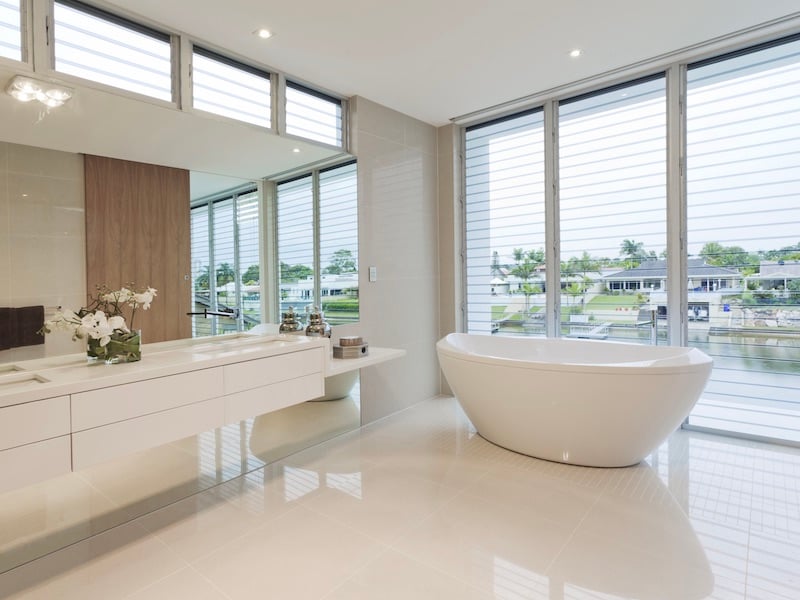
Quartz tile is manufactured from ground quartz bound with resins and pigments, producing a dense, non-porous surface with very low water absorption. Its resistance to scratching, staining, and moisture eliminates the need for sealing and simplifies routine care. The material also provides a uniform appearance from tile to tile, which can be advantageous in spaces where visual consistency is desired.
Because of its durability and minimal maintenance requirements, quartz is frequently chosen for kitchens, bathrooms, laundry rooms, and other areas subject to regular use. It is available in a wide range of colors and patterns, including styles that replicate natural stone, offering a consistent finish combined with reliable long-term performance.
6. Quarry Tile
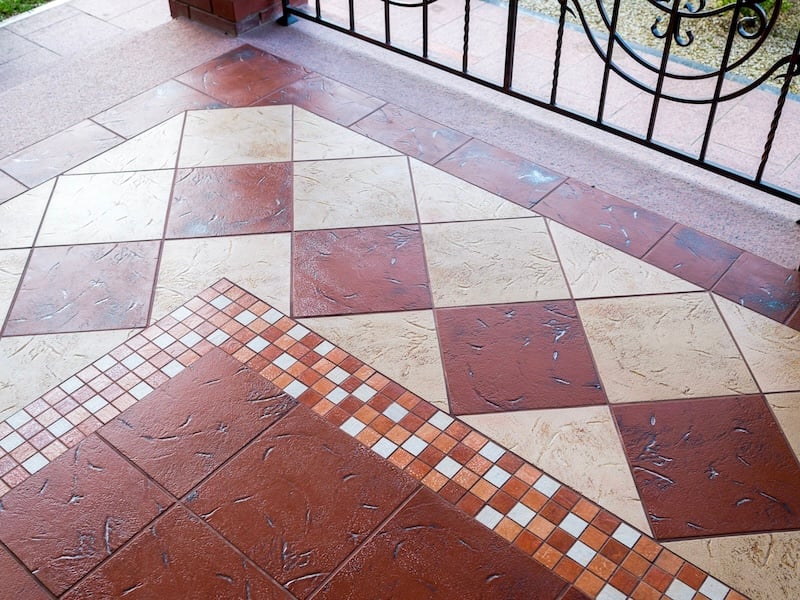
Quarry tile is made from minerals such as clay, shale, and feldspar and fired at high temperatures to create a dense, durable material. Unlike porcelain and ceramic tile, quarry tile is unglazed, resulting in a matte, uniform appearance.
Because there is no protective finish, it must be sealed to help prevent staining and discoloration. Quarry tile is typically produced in brick-inspired and neutral tones, including gray and tan, which contribute to its straightforward, utilitarian look.
7. Terracotta Tile
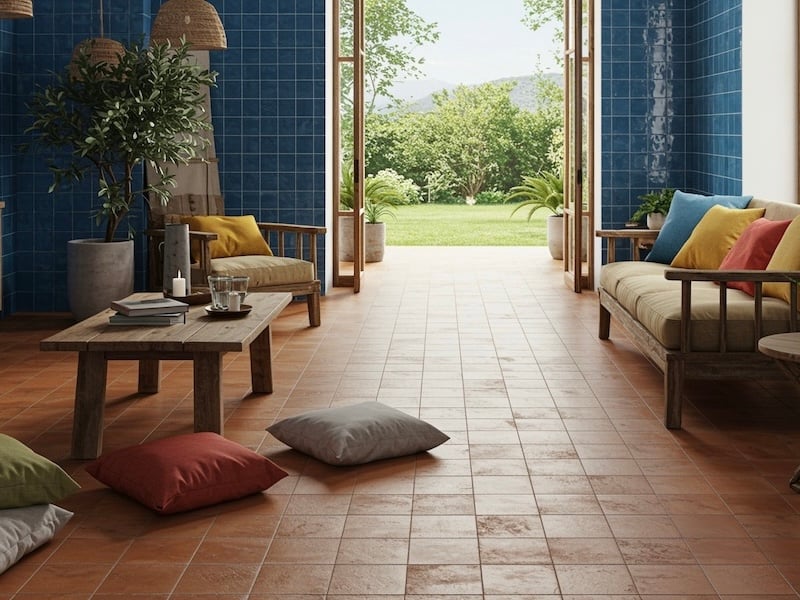
Terracotta tile is made from natural clay and is known for its warm, reddish-brown tone. It is fired at lower temperatures than many other types of tile, which makes it more porous and less resistant to moisture and everyday wear.
Sealing is required to help protect the surface from water absorption and staining. Terracotta can also be purchased with a glazed finish, although glazing changes the look by softening the natural variation of the clay. Because of its porosity and maintenance needs, terracotta is generally best suited for areas with lighter use.
Balancing Design and Performance in Tile Selection
Selecting tile requires an understanding of how each material will perform in the space where it is installed. Foot traffic, exposure to moisture, and the level of maintenance involved should be considered along with the overall design of the home so that the flooring functions as intended and continues to meet the needs of the household over time.
At Meridian Homes, we specialize in luxury remodeling and custom home building in the Washington, DC area. Our mission is to create exceptional residences that exceed expectations. Our highly personalized design process and careful management of every project have earned us a reputation over many years for outstanding client service and solid, beautiful craftsmanship. Contact us today to begin your custom home or remodeling project.