
From A Spa-Style Primary Bathroom To A Dedicated Wellness Studio, Here's How To Plan The Equipment And The Systems Behind The Scenes So The Space Works From Day One
Home wellness spaces have moved well beyond a soaking tub and a few candles. Today's homeowners are asking for saunas, cold plunge pools, steam showers, and full fitness studios as part of their remodeling or custom home plans. Some want to upgrade an existing primary bathroom into something closer to a boutique spa. Others are carving out an entirely new room, converting a basement or bonus space, or extending their wellness plans outdoors.
Whatever the scope, the projects that turn out best share one thing in common: they're planned early. Steam generators, cold plunge equipment, and float pods all come with specific plumbing, electrical, and structural requirements that are far easier to build in from the start than to retrofit later. Below is an overview of the spaces homeowners are building, the equipment options to weigh, and the behind-the-scenes systems that keep everything running smoothly.
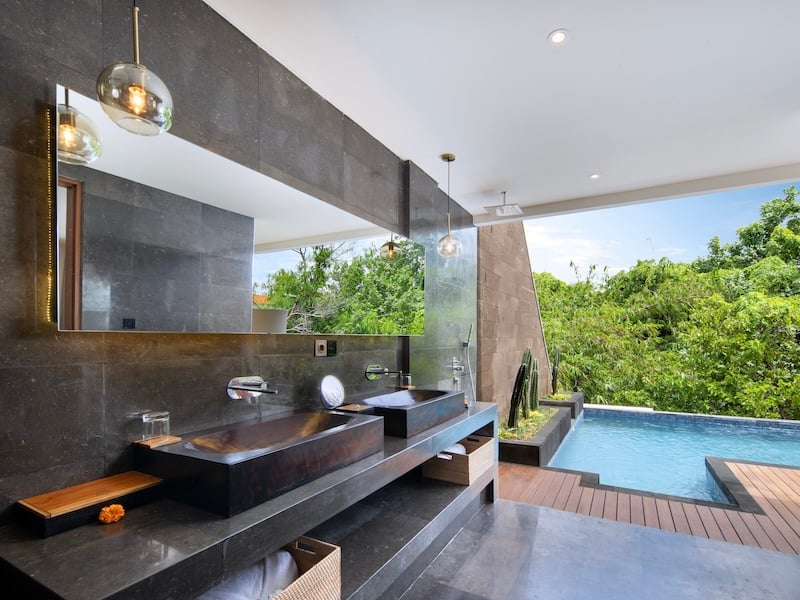
Turning the Primary Bathroom Into a Spa
For many homeowners, the primary bathroom is the most practical place to start. A few targeted upgrades can shift the room from purely functional to genuinely restorative.
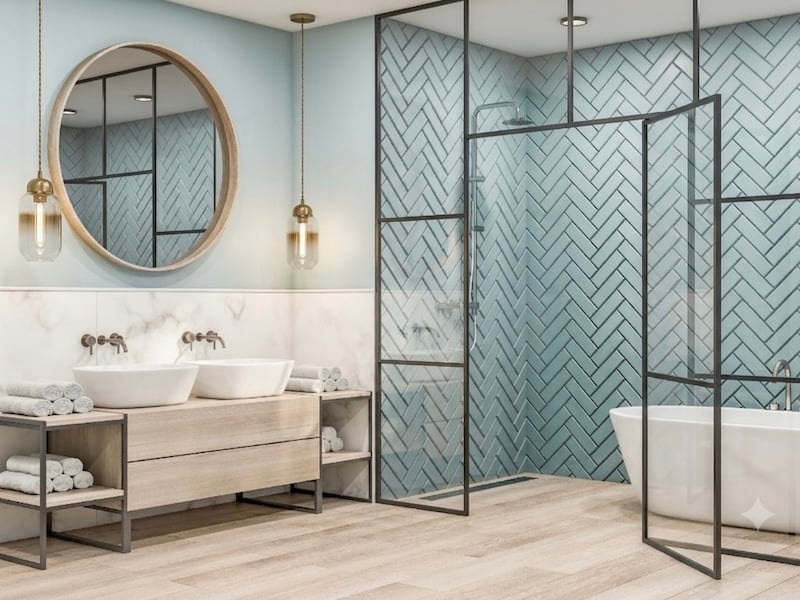
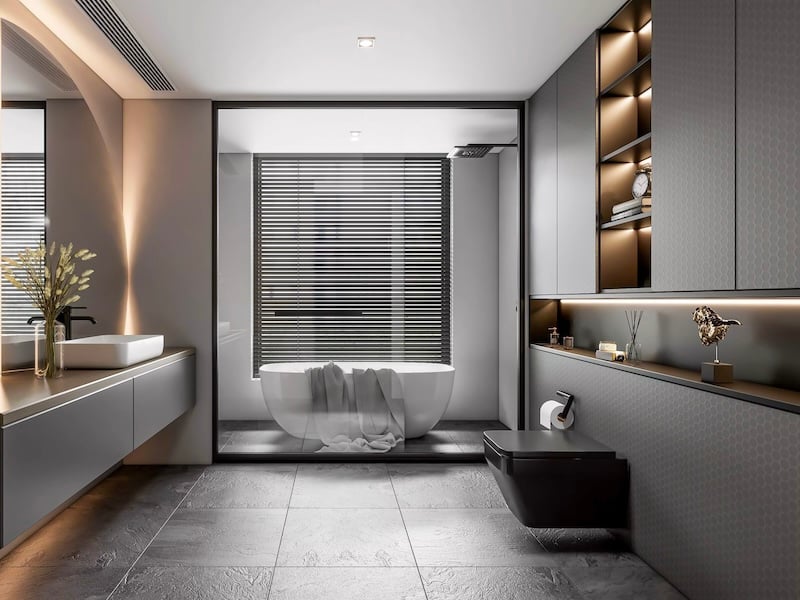
A steam shower is one of the most requested features, and it requires a sealed enclosure, a dedicated steam generator, and mechanical ventilation to manage humidity properly. A deep soaking tub, ideally positioned near a window or a quiet wall rather than tucked into a corner, gives the room a focal point. Multi-function shower systems with rain heads and body sprays add a resort-style touch without requiring extra square footage.
Some homeowners are moving away from separate fixtures in favor of a wet room: a single waterproofed space where the shower, tub, and steam unit share the same floor without walls or curbs dividing them. The steam function still needs its own glass enclosure to hold steam in, but that enclosure sits within the larger open room rather than being boxed off as its own stall. Because the entire room is waterproofed rather than just a shower stall, wet rooms work best in a primary bathroom with enough square footage to support the layout and the added waterproofing it requires.
Comfort details matter as much as the big fixtures. Radiant floor heating keeps tile warm underfoot, and a heated towel rack means a warm towel is waiting after every shower. Lighting should be layered rather than a single overhead fixture: dimmable recessed lights for general use, a brighter task light near the vanity, and perhaps a soft accent light near the tub. Natural materials such as stone, teak, and matte tile finishes reinforce the spa feel without looking overdone. A curbless shower entry and a well-placed grab bar or two can be built in from the start as well, so they read as intentional design choices instead of something bolted on later.
Building a Dedicated Wellness Studio
Homeowners who want more space than a bathroom allows often convert a bonus room, finished basement, or new addition into a standalone wellness studio. This gives room for equipment that a bathroom simply can't accommodate.
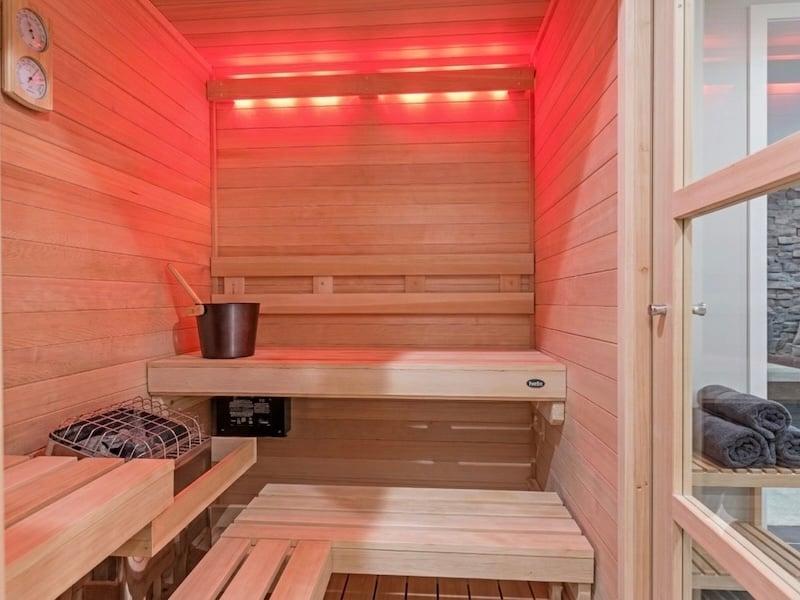
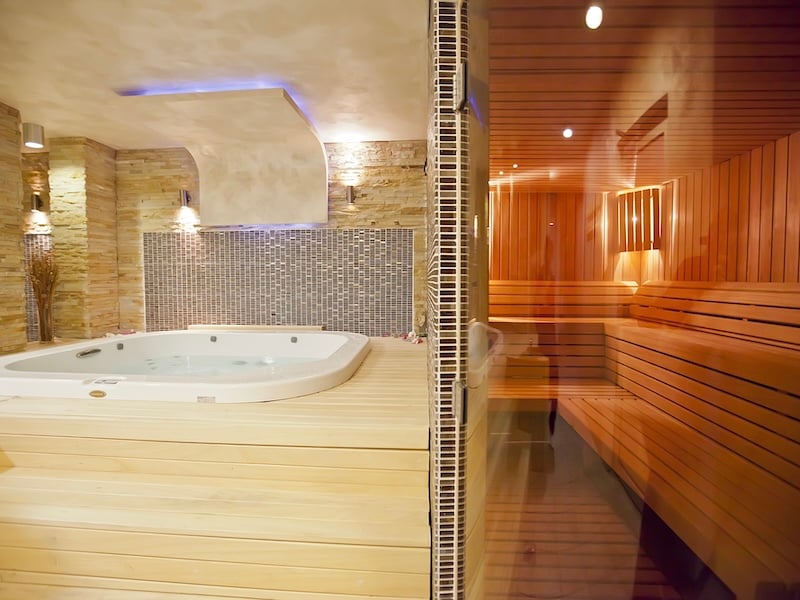
A sauna is often the anchor of this kind of space. Traditional saunas use heated rocks and higher temperatures, while infrared saunas warm the body directly at a lower ambient temperature; the right choice depends on personal preference and how the room will be used. Cold plunge pools are frequently paired with a sauna to support contrast therapy, and they need their own filtration, chilling equipment, and drainage. Float therapy pods are growing in popularity as well, though they're worth flagging early in the design process: a filled pod is heavy, so the floor structure underneath needs to be engineered to support it.
Red light therapy panels, a massage or facial table, and a quiet corner set aside for meditation or stretching round out the room. None of these require major infrastructure on their own, but each works better with a little thought given to placement. Red light panels need a nearby power source and should stay out of direct sunlight. A massage or facial table needs enough open floor space on all sides to move around comfortably. A meditation corner works best away from mechanical equipment, so it stays quiet rather than competing with the hum of a sauna heater or a plunge chiller.
Extending Wellness Outdoors
For homeowners with enough yard to work with, taking wellness features outdoors opens up options that are harder to fit inside the house. A hot tub remains the most popular outdoor addition, and an outdoor cold plunge or cedar sauna is a natural companion to it. A lap pool suits homeowners focused on fitness and swimming laps, while a full-sized pool works better for households that want a broader mix of exercise and recreation.
Outdoor spaces bring their own set of questions: how to manage privacy from neighboring properties, how to shade or shelter the area from weather, and how to keep surfaces safe when wet. A pergola or covered structure means the space stays comfortable to use in early spring and late fall, not just at the height of summer. Landscaping or fencing addresses privacy, and slip-resistant decking materials keep the space safe year-round. A covered walkway connecting the house to the spa equipment keeps the trip dry and comfortable, which matters most in the colder months when a hot tub or sauna tends to get the most use. An outdoor shower or small changing area nearby makes the space far more practical to use on a daily basis, not just for special occasions.
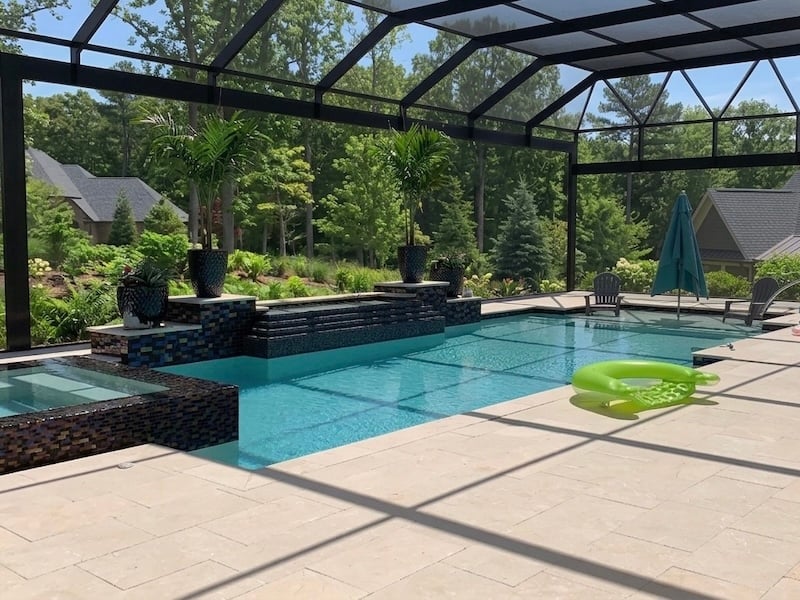
For homeowners who want a pool available regardless of the season, an enclosure can extend how much of the year it gets used. Choices range from a fixed, sunroom-style structure to a retractable roof that opens fully in warm weather and closes for privacy and heat retention once temperatures drop. A retractable system costs more to install than a fixed one, but it keeps both options open: swimming outdoors on a nice afternoon and swimming indoors when the weather doesn't cooperate.
Including a Fitness Area
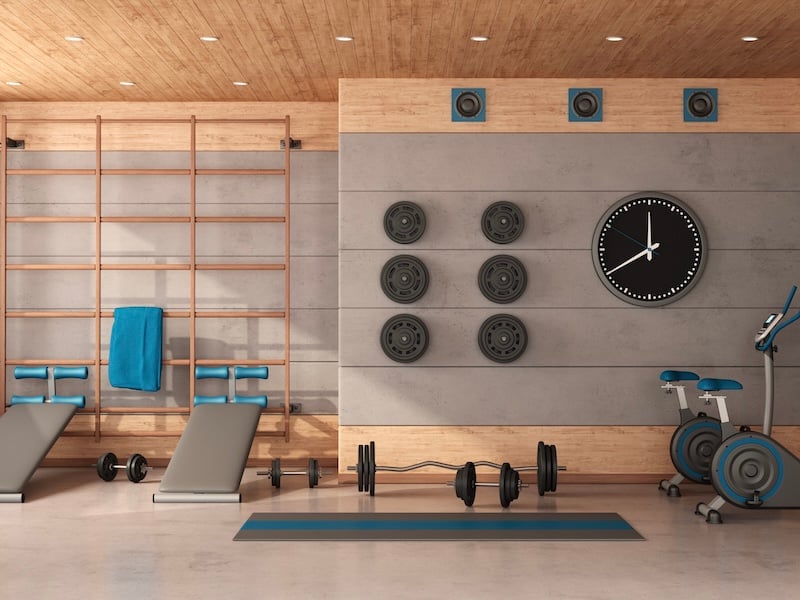
Whether the wellness plan stays indoors, moves outside, or does both, many homeowners also want a place to exercise, either in a separate room or as a zone within the wellness studio itself. A treadmill and a stationary bike are the most common anchor pieces, and both benefit from a level, reinforced subfloor and nearby power outlets.
Beyond cardio equipment, a section of open floor with a shock-absorbing surface works well for yoga, stretching, and bodyweight training. Wall-mounted mirrors make the room feel larger and help with form during strength training. Storage for mats, resistance bands, and free weights keeps the room organized, and a wall-mounted TV or sound system supports guided workouts or on-demand fitness classes. Good ventilation and access to natural light go a long way toward making the room a place the household actually wants to use instead of a space that collects dust.
Controlling It All From a Tablet or Phone
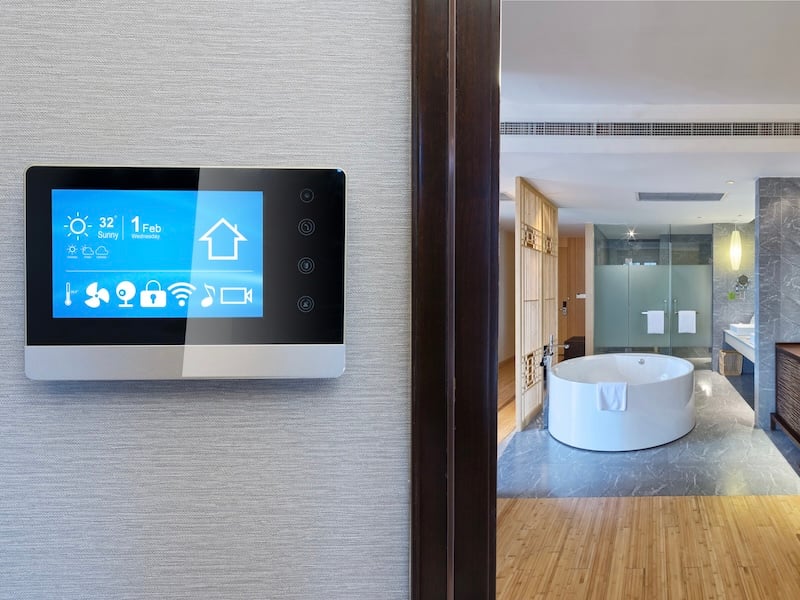
Most of the equipment in a modern wellness space can now be managed remotely rather than through a wall panel in the room itself. A sauna can be set to preheat on the way home, a hot tub can be scheduled to reach temperature before a morning swim, and a steam shower can be started from bed. The same app-based controls typically extend to lighting scenes, climate presets, and any audio-visual equipment in the room, so a single tap can dim the lights, start a playlist, and bring the space up to temperature at once.
This kind of integration is worth planning for at the wiring stage: running low-voltage cabling and confirming which equipment is compatible with a given smart home platform before construction wraps up means the controls end up feeling built into the room rather than tacked on later.
What's Happening Behind the Walls
The equipment gets most of the attention, but the systems built behind the walls determine whether a wellness space performs well over time. Climate control needs particular attention in wet areas: a steam shower, sauna, or plunge room generates humidity that standard HVAC isn't designed to handle, so a separate ventilation zone or dehumidification system is usually worth the investment. Radiant floor heating pairs naturally with these spaces, keeping tile and stone comfortable regardless of the season.
Plumbing needs vary depending on which features are included. A steam generator and a hot tub both draw significant hot water, which may call for an upgraded water heater or a dedicated unit for the space. Cold plunge pools and float pods need proper filtration and drainage, and any pool or spa feature should include water treatment suited to how often it will be used. On the electrical side, saunas, steam generators, pool heaters, and cold plunge chillers all draw meaningful power, so panel capacity should be reviewed early rather than discovered during installation.
A few other systems belong in this same category. Sound insulation keeps a sauna or meditation corner quiet even when the rest of the house is active, which matters more in a wellness space than almost anywhere else in the home. Low-VOC, moisture-resistant materials behind the tile and drywall support better air quality in rooms that run humid much of the time. And because equipment like saunas, pool heaters, and steam generators tends to run for extended stretches, energy-efficient options such as heat-pump water heaters and insulated pool covers are worth factoring into the plan from the start instead of treating them as a later upgrade.
Organization and Luxury Finishing Touches
Beyond the major systems, a handful of finishing touches are what bring a wellness space together rather than leaving it simply equipped. Built-in cabinetry or shelving for towels, robes, and skincare products keeps the room organized and everything within reach, which matters in a space that's used daily, not just occasionally.
A built-in aromatherapy or essential oil diffuser, whether integrated into the steam system or added as a standalone unit, brings a sensory layer that many homeowners don't think to ask for until they've experienced it somewhere else. Small conveniences, such as a mini refrigerator for cold water or a dedicated spot for fresh linens, round out the room and make it feel like a genuine retreat rather than a converted utility space.
A home wellness space, thoughtfully planned, becomes one of the most used rooms in the house instead of a novelty. Planning the equipment alongside the automation, the systems behind the walls, and the finishing touches from the start is what makes that possible.
At Meridian Homes, we specialize in luxury remodeling and custom home building in the Washington, DC area. Our mission is to create exceptional residences that exceed expectations. Our highly personalized design process and careful management of every project have earned us a reputation over many years for outstanding client service and solid, beautiful craftsmanship. Contact us today to begin your custom home or remodeling project.